Category Archives: Blog

Safety Precautions To Reduce Risk Of Falling From Order Picker

Safety Precautions to Reduce Risk of Falling from Order Picker

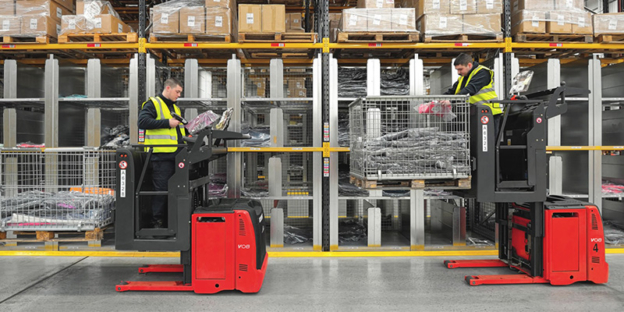
Order Pickers are designed to take the forklift operator up to the rack & stack the load. Unlike the Electric Stacker which is used for storing and retrieving loads from racking at short heights, an order picker is designed with a platform for the operator to stand on and easily access inventory at greater heights. They can commonly be found at warehouses requiring high stacking of products. Since an order picker requires vertical maneuvering and walking into & out of the cabins, there is always a risk of the operator falling from a height. In order to avoid such accidents, there are a few safety precautions that could be followed. To start with, the operator must hold a valid order picker license and should practically demonstrate safe operating skills. The understanding of the working of harnesses, lanyards and inertia reels are essential since they could act as life-saving devices in the event of a fall.
Order Picker, Electric Stacker, Electric forklift

There are two major dangers associated with Order Pickers

Damage to the operator – In case the operator falls and the lanyards or inertia reels holding him are too long, the operator will remain suspended below the platform or within racking. The operator will swing around into nearby objects mimicking the action of a pendulum. This could result in serious injuries such as fractures, muscle strains, and concussion.

Damage to the harness & lanyards – Alternatively, the harness and the lanyards can also be damaged if they brush against sharp objects or corners, causing loss to the strings and a potential risk to the safety of the operator.

A number of preventive measures can be applied to reduce or eliminate the fall risks as described below

  1. Operators should be banned from walking directly onto pallets attached to order pickers.
  2. Units should be equipped with a fully enclosed platform.
  3. Limiting the length of lanyards and inertia reel line to prevent the pendulum effect and saving workers from falling off.
  4. The harness, lanyard and inertia reel combinations should have a personal energy absorber to prevent injury due to a sudden fall arrest.
  5. The angle between the block and worker should be within designer specification when using an inertia reel.
  6. The fall arrest line should not come in contact with the edges when used with an inertia reel.
  7. A wire can be used as a lanyard to reduce the risk of the line cutting in case of a fall.
  8. The distance between the order picker and the rack should be minimized in order to avoid tripping off the gap. This also helps limit the length of the lanyard or reel line.
  9. Decrease the depth of the pallet racking to limit lanyard length.
  10. When using an inertia reel, the block should be located well away to avoid the possibility of hitting a worker’s head.

If you are looking for your options on order pickers, electric forklifts, pallet trucks, and other warehousing equipment, visit Linde MHE products.
7 Easy Hacks To Operate A Forklift Safely January 28, 2019

7 Easy Hacks To Operate A Forklift Safely

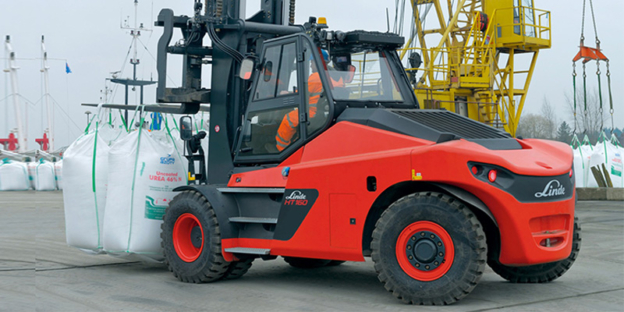
  • Forklifts are the essential components in most of the warehouses and workplaces to lift heavy loads, transport them and stack them to their places. Be it a diesel forklift or an electric one, these highly helpful machines can quickly turn into destructive weapons if used without the right safety measures. As such, there are quite a few easy to remember techniques which can prove to be useful to the longevity of the men as well as the machines.

Heavy duty Diesel Forklift, Diesel forklift

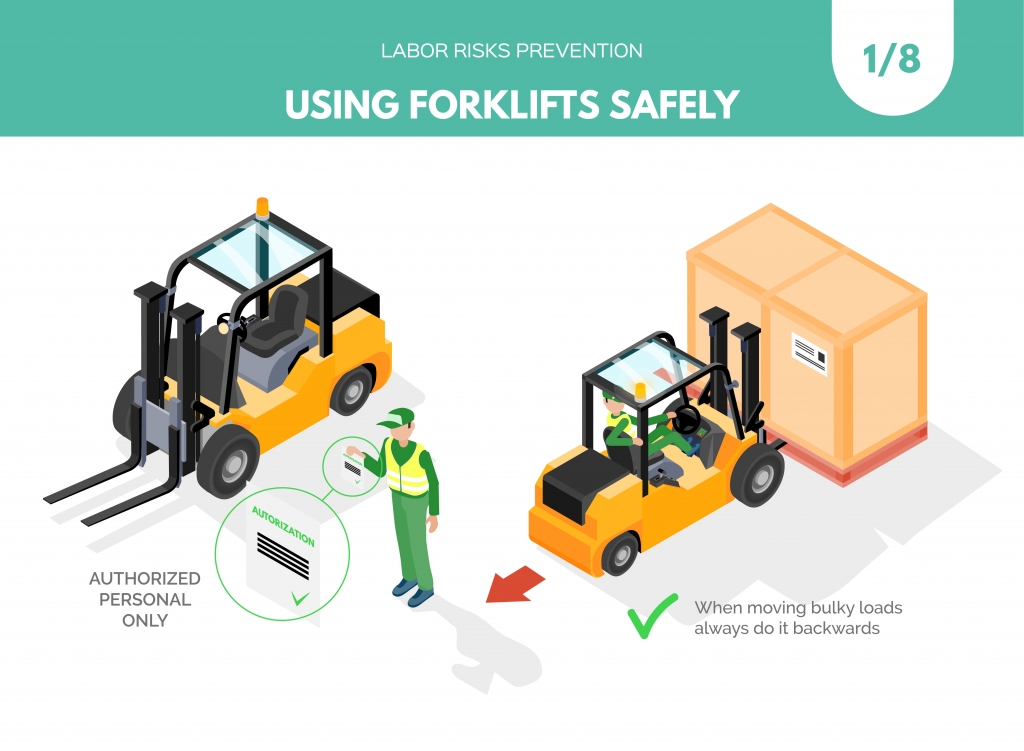
1. Deploying only well trained and qualified operators

While this seems obvious, we still can’t stress enough on the importance of proper training and qualification before officially driving the forklift in the workspace. According to a report conducted in India, each year nearly 11% of forklifts are a part of some accident, resulting in about 100,000 injuries and 85 fatalities. It is indeed a matter of great responsibility on the part of the operator in order to avoid fatalities and prevent workplace injury to self and others. Also, make sure minors are not operating your forklifts in your absence, it’s illegal!

Heavy duty Diesel Forklift, Diesel forklift

2. Use of Safety Gears

With great responsibility comes an elaborate list of safety gears. The uniform of a forklift operator is not complete unless he ticks the following list:

  • Hard hat – To protect your head from falling objects
  • Safety shoes – To protect from electric shock, fallen nails or other sharp objects and from heat and wet floors.
  • Neon Jackets – to improve visibility and also add some funk
  • And finally some nice well-fitting clothes – because flowy clothes could get caught up in some machinery.
  • The point is to not wear something which would compromise the operator safety while also preparing for the worst.

3. Understand the load-bearing capacity of the equipment

One of the most common reasons of forklift-related accidents is the imbalance caused to the vehicle due to improper loading. Loads should be stacked correctly whilst being mindful of the phenomenon called center of gravity. Be mindful of the below pointers:

  • Pallets or skids should be deployed to balance the load.
  • The loads should be spread equally across both forks
  • Do not overload
  • Do not Push a load with the fork
  • Keep the forks low while in motion

4. Mind your speed

The mundanity of driving the forklift all day might lead to the thought of doing something thrilling due to the driving confidence the operator acquires. We can’t blame this general tendency of men to speed up things once in a while to break the boredom, but it is definitely advised to be careful. As a caution,

  • Never cross the speed limit
  • Keep the right ratio of the load and the speed
  • Be careful not to bump into other loads, trucks or high voltage areas or slippery roads.

5. Stay off the mast

Do not allow anyone to stand or walk under the load or forklift machinery. The load can fall anytime and could cause injury or even death. Also, if the mast is lowered, it may crush your hands or legs if found beneath.

6. Ensure proper visibility

obstructed visibility might lead to accidents. Edges of loading docks and other areas where forklifts tread should be marked with reflective markings. Never underestimate the utility of signboards with clear indications placed wherever required. Poorly lit areas or too brightly lit areas can also pose a dampen visibility.

7. Regular safety checks

Check and recheck and always keep an eye for the missing screw. Machines DO need maintenance in order to keep them going long and safe.  Simple steps such as parking the forklift in the designated area every time it is used; turning ‘off’ the forklift, and taking out the keys, ensure half the work is already done. Linde is a leading manufacturer of heavy duty diesel forklift, Pallet trucks, and other warehouse & logistic equipment.

Forklift Batteries

Maintenance Tips For Forklift Batteries

This article is intended to help you extend the life of your forklift batteries while enhancing the performance of your forklift. The article aims to educate forklift operators to better manage and maintain an electric battery forklift.

Battery forklift, Buy forklift truck, Very narrow aisle truck buy

FORKLIFT BATTERY CHARGING ESSENTIALS

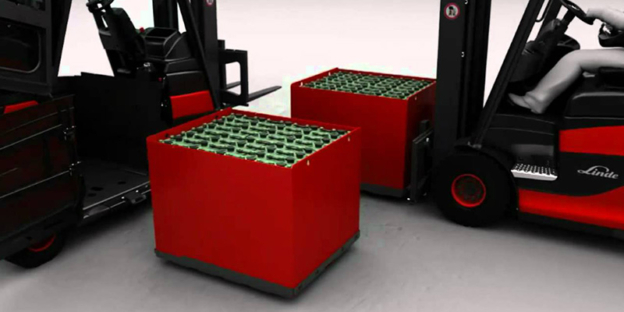
  1. Every battery can work only for a limited cycle. The recommended practice is to recharge the battery after every 8 hours of usage or when it drops down to 30% or less. On the contrary, charging the batteries frequently or as per convenience can cut short the battery life.
  2. It’s better to let the forklift battery charge to 100% every time you charge it.
  3. Do not drain your forklift battery beyond 80%
  4. Do not let a discharged battery sit for too long as this could result in the formation of sulfur on the battery plates, leading to reduced battery life.
  5. Also, maintain the room temperature while charging batteries as the rise in temperature potentially damages the battery.

SAFETY PRECAUTIONS AT THE CHARGING STATION

Battery forklift, Buy forklift truck, Very narrow aisle truck buy

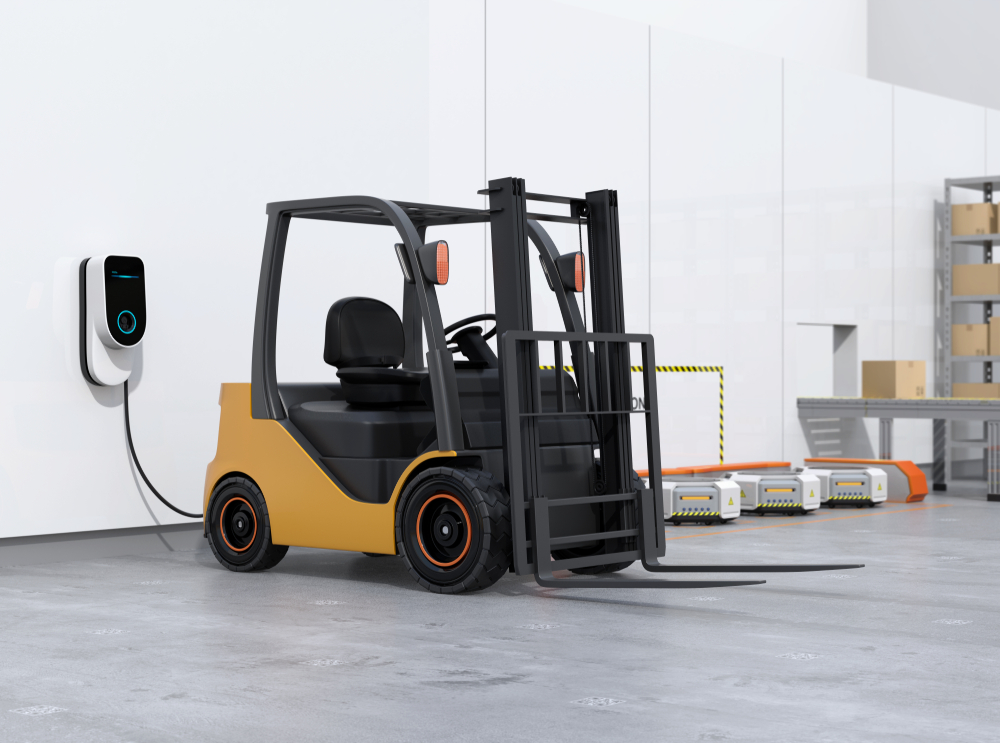
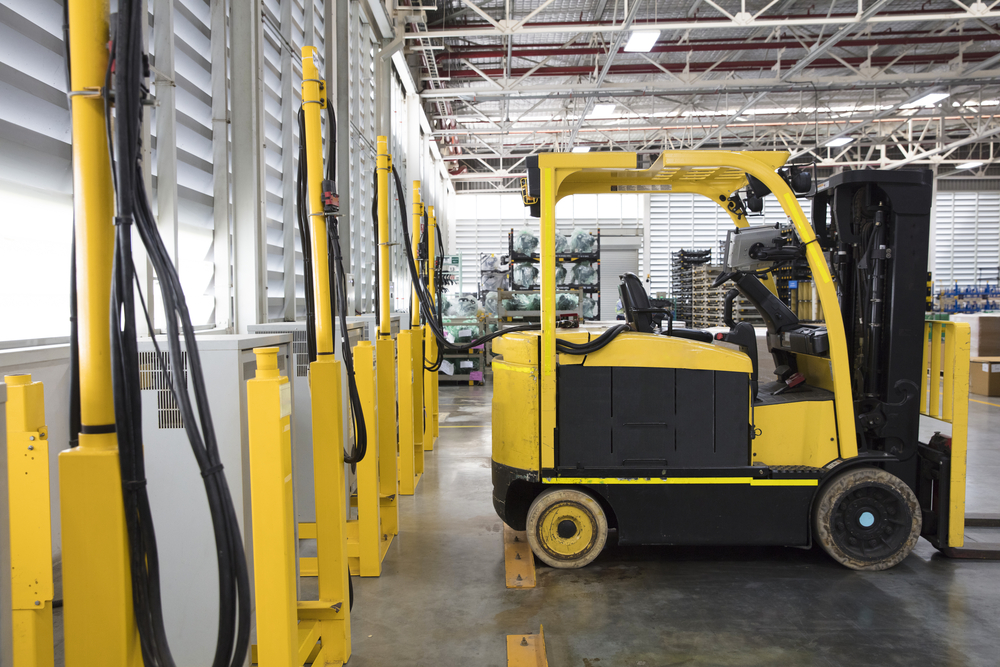
Now that you know how to maintain the battery, it’s also essential to ponder upon the charging stations designated for the recharging of batteries. The charging areas should be well lit and have clear signages for safe maneuvering. Emergency facilities such as ventilation, fire extinguisher, water supply etc should be at hand. Apart from these, safety precautions should also be taken by the forklift operators such as:

  1. Do not smoke near a battery changing area.
  2. Abstain from wearing metal or hanging jewelry while charging as they are good conductors.
  3. Batteries with sealed vents should not be charged with a current exceeding 25 Amps.
  4. Always use safety equipment such as a glove, goggles, face shield, etc while handling.
  5. If the battery turns hot or the electrolyte fluid starts leaking from the vents, immediately turn off the charger and turn on at a lower charging rate once the battery has cooled down.
  6. Carefully dispose of the battery or send it for recycling

CHECKING BATTERY FLUID LEVELS

Water is required in the batteries to help them function properly. Have a periodic check of a fluid level such as after every 5 charging cycles. When required, top up with water. Water used should be distilled and should fall within the pH scale of 5 to 7. Batteries should only be topped off when they are fully charged.

MAINTAINING THE OPERATING TEMPERATURE

The recommended temperature to operate your forklift is under 45’C. However, it is not mandatory as the battery unit is equipped with all the cooling mechanism which helps regulate the temperature. The only flipside

EQUALIZING YOUR BATTERIES

Equalizing means to overcharge your batteries to remove sulfate crystals that have built up over time on the plates. This sulfation could otherwise shorten the battery’s life. Not all forklift batteries require equalizing but it is mentioned on the specifications. Wet cell batteries should be equalized once per week which should not be exceeded.

CLEANING THE BATTERY

Use a battery cleaner or warm water to clean the top of the forklift batteries. A monthly cleaning avoids tray corrosion due to build-up. Always read the safety instructions before cleaning the battery.

If you are looking to buy forklift truck, or a very narrow aisle truck buy one at Linde Material Handling, world’s foremost makers of forklift trucks and warehouse handling equipment. Linde industrial forklifts and trucks are specialized and are used across industry verticals. Check out the range of Linde products from Internal Combustion Truck, Battery Operated Pallet Truck, Electric Counterbalance Forklift, Tow Truck, Reach Truck, Electric Stacker, Order Picker, System Truck & Very narrow aisle truck.

Electric Pallet Trucks

Electric pallet trucks – Ease of warehousing and manufacturing

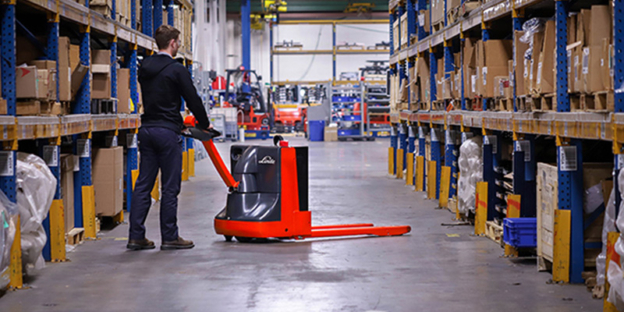
Pallet trucks or Jacks as they are commonly known, are among the most resourceful and versatile workhorses for any warehouse, manufacturing plants and material handling purposes. They come in a variety of options pertaining to individual needs and capabilities. For low-duty lifting, the most commonly found are the Manual Pallet trucks which function similar to a handcart, albeit, with features such as a hydraulic operated lever to lift, lower and steer the jack, allowing easy maneuverability. Plus, it has strong wheels to sustain rough terrains and uneven surfaces on which they are generally rolled. Among low to medium duty warehousing applications, the most popular pallet trucks, hands down, are the electric ones. Also known as, Battery operated pallet truck, Pallet jacks, Power jacks or simple walkies, these trucks feature power drive and power lift, which increases the overall control and reduces the amount of effort an operator needs while hauling. Some electric pallet trucks come with a platform to stand on and some even have compartments. Read on to know if Battery operated pallet trucks(BOPT) is what you are looking for.

electric-pallet-trucks

Types of Electric Pallet trucks

With modern attributes to simplify and optimize your day to day warehouse activities, electric pallets come equipped with features such as a power steering and automatic brakes, providing added safety. While Manual pallets are good for short horizontal transportation, electric ones provide that, plus ease of movement even in larger spaces. The electric pallets generally come with two variants elaborated below.

types-of-electric-pallet-trucks

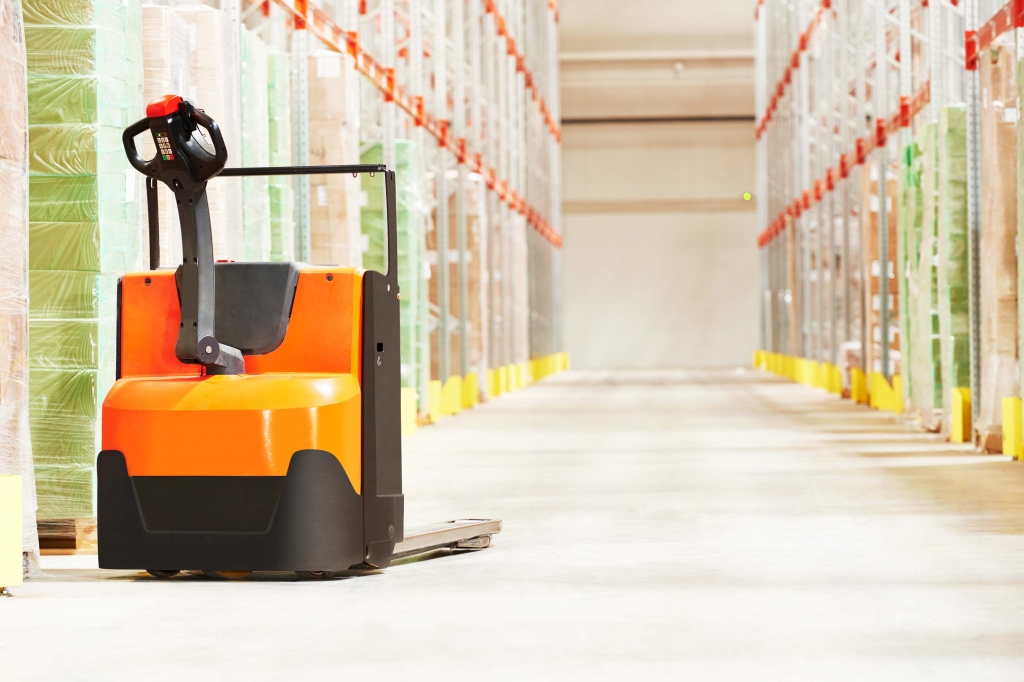
  1. Pedestrian: Sometimes referred to as a walkie, it is a very useful pallet truck, which comes with a load-bearing capacity of around 1500kg. It is an ideal solution for light-duty applications. Compared to the hand pallet, it significantly eliminates the physical effort and improves working efficiency, consequently, helping you reduce working cost. Its traction and lift motor minimize the physical effort and stress to its users. It also comes with a joystick that controls traction and lifts with automatic braking on releasing traction or reversing direction
  2. Platform: For longer distances exceeding 30 meters in a single trip, it is best to consider a stand-on powered pallet jack where the operator can actually board the truck and ride along the pallet. These units are typically higher in capacity than the pedestrian variant and are hence ideal for heavy duty long distance materials handling. These employ a variety of different safety capabilities than standard pedestrian pallets to improve usage across more applications.

Maintenance of your BOPT

Since electric pallets are powered by Batteries, they require periodic charging. Regular checks of your floor space are advised for equipment maintenance as any severe bumps experienced from moving along uneven surfaces may damage the pivots. Moisture and dust proof AC motors require no maintenance as such, but it goes a long way in elongating the life of your pallets

Which BOPT is suitable for your warehousing and manufacturing needs?

Depending on the intensity of your work, it’s up to you to gauge your options and decide whatever suits you best. You can find detailed descriptions of various available options on Linde MHE for comparing yourself! (Material handling equipment & Warehouse Equipment).

Material handling equipment & Warehouse Equipment

How Electric Pallets fare against the manual ones

  • Environmentally friendly and safe choice.
  • Boost productivity with speedy operations.
  • Consists of various compartments to carry quick workplace essentials such as a pen, a book or maybe a cup of coffee.
  • Safer to operate with electric controlled speed limiting, emergency stop, braking and electric hydraulic lift pumps which eliminate operator strain.
  • Improves workplace safety.
  • No special license is required to operate the electric truck.
  • Easy to maintain and recharge between uses.
  • Ergonomic design makes it way better than the manual pallets
  • Makes work fun by minimizing physical stress and strain.

If you won’t find pallet trucks worth your investment, then always calculate the costing of your company in the long run considering the downtime, the productivity, as well as the health and safety of your operators. It is best to invest now so that you may harvest well in the future.

forklift-options-reduce-maintenance-cost

Top Forklift Options to Reduce Maintenance Cost

Reducing downtime, lowering maintenance costs and bringing down cost of ownership are objectives that these factory options are specifically designed to do. The biggest drain on the cost of forklift ownership is having forklifts that aren’t making you money. So it becomes mandatory to reduce the maintenance cost as much as possible. Here are some strategies which you can opt for:

Multi-function display: You can get an idea about the health of your forklift with onboard diagnostics, an oil temperature indicator, maintenance hour meter and a trip meter. Moreover, accidents and abuse can be prevented by adjusting the speed control settings, programming engine auto stop and installing a torque convertor.

Use Hydraulic Accumulator for uneven floors: It absorbs vibration due to uneven warehouse floors and stops it from transfer to the load. Operator comfort is improved, absorbs shocks, reduces shock of loading, boosts the longevity of forklift parts and drastically brings down product damage.

Go for the Pre-cleaner: Reduces the intake of dust to the air cleaner, allowing lift trucks to work longer between services. It indicates the level of dust accumulation and so makes it easy to decide when to go for cleaning.

Using the Radiator Screen: This minimizes the risk of overheating by significant lowering of lint, fibers and workplace dirt in the radiator fans.

Using the Tilt Cylinder Boot: A tilt cylinder boot protects the tilt cylinder rod from damage by dust particles.

Using String Cutters can prevent damage: String Cutters around the front axle stops the debris from wrapping onto the drive axle. This is recommended for applications with debris accumulated on the floor.

Replace worn out tires and wheels: Forklifts have very less suspension. That’s why worn out tires can cause excessive shaking of the mechanical, electrical and hydraulic systems.

Remove tire chunking and flat spotting: A clean warehouse floor, free of debris and scraps save the load wheels. Go for plastic or metal pallets.

Repair damaged floors: Well-maintained floors extend the life of the tires, including mechanical, hydraulic and electrical systems.

Invest in operator safety training: A commitment to safety training for forklift operators can reduce forklift and inventory damage.

Don’t miss scheduled maintenance dates: Servicing forklifts regularly can prevent major parts breakdown that call for expensive repairs.

See that the right forklift is been used for the right application: Keep an eye out on which forklift operators are using for which job could save a lot of hassle. For example, using a Narrow Aisle Reach Truck to run down a ramp or putting pallets into racking using an Order picker could be disastrous.

For more elaborate information on the above options, you may call us on 18008435111or mail us at 

seat-on-vs-stand-on

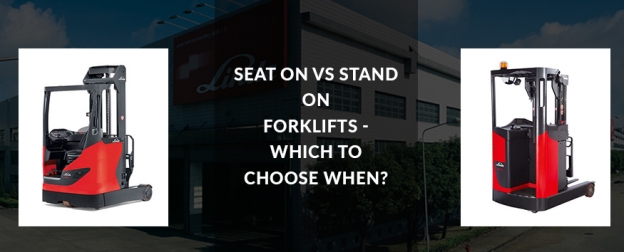
Seat On vs Stand On Forklifts – Which to Choose When?

People always have the tendency to sit, rather than stand. In most warehouses too, operators choose the seat-on forklift as ideal for their operations. But is it really true? Do they give it thought before deciding on one, or is it just done instinctively?

Here are some tips to help you decide which forklift to order for your business:

Most forklift drivers may find seat-on forklifts more suited to their comfort. So, when the management decide to cater to their comfort and go for the seat-on version, they are a bunch of happy employees. There is general belief that, a happy employee is more hard working and hence more productive. So, maybe companies are knowingly going for seat-on versions because of this reason.

Or again, maybe they are not.

On the other hand, stand-on forklifts have a few advantages of their own too. One of the biggest advantages is visibility. The stand-on version offers complete and full visibility all around regardless of the direction the forklift is travelling. Another advantage of the stand-on model is maneuverability. That is why it is preferable for smaller spaces, closed quarters and sharp corners. Stand on forklifts are preferred for short run operations, where the operators only need to stand for short span of time.

Points to keep in mind while buying the forklift best suited for you:

  • What is your area of business – in what kind of environment will you be using it for?
  • How is the floor of your workplace, even or uneven?
  •  How is the space – is there long distances to be covered?
  • Are there narrow aisles, passages and sharp corners in your work area?
  • How often do you think the operator needs to get on and off the forklift while working?
  • Will the operator need to make short trips or long trips on the forklift
  • Which do YOU think will increase your business productivity, seat-on or stand-on forklifts?
  • For what period of time will the forklift be used?

Unfortunately, when it comes to forklifts you will not get one which is suitable in all circumstances. Not a problem. The nature of your work is the best indicator to help you decide the right one for you.

Take a test drive to understand better:

Forklift manufacturers generally are happy to send their sales representative over to your site to get a first-hand feel of your business, so that they can recommend the right forklift for you. This information can be very valuable for your business in reducing expenses and operational costs.

Linde Material Handling ranks among the top forklift manufacturers in the world. If you are in the market to buy a forklift, you can surely contact them to get a better handle on the right forklift for you. You can also visit the Global Linde Material Handling website for some first-hand information regarding the same or feel free to give us a call on 18008435111 or mail us at in.info@linde-mh.com!

forklift-types

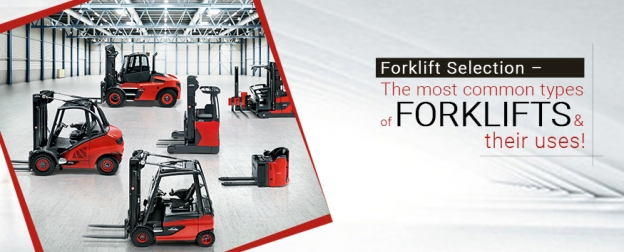
Forklift Selection – The most common types of forklifts and what they are used for?

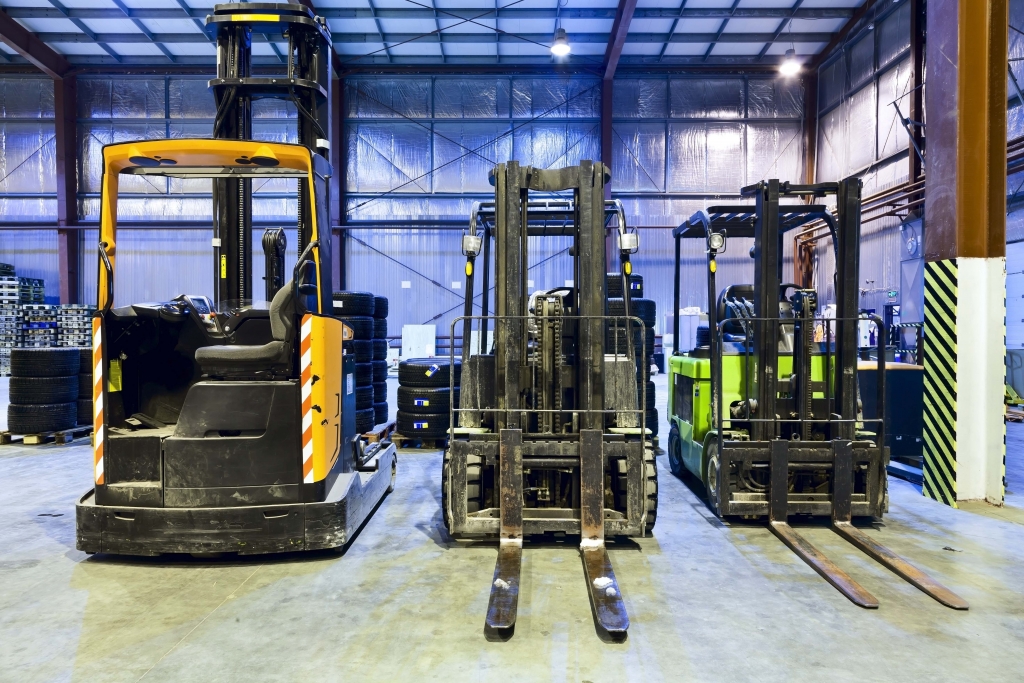
Be it in a warehouse, a construction site or any other business, moving heavy stuff like machinery is an everyday affair. There are a host of Forklift types that is available in the market like – electric forklift, electric stacker, battery forklift etc. But with so many types to choose from, picking up the one that best suits your business and environment may need careful study.

Counterbalance forklifts are best used for material handling:

These types of forklifts have two trucks that counterbalance each other. They are the most common ones used for material handling in indoor warehouses and stores but they can also be used outdoors on stable, even surfaces.

Three-wheel counterbalance forklifts are perfect for narrow aisles:

These have three-wheels while the counterbalance forerunners come with four. These have more maneuverability and are best for confined spaces and narrow site aisles.

Reach truck forklifts for high rise storage pallet racking:

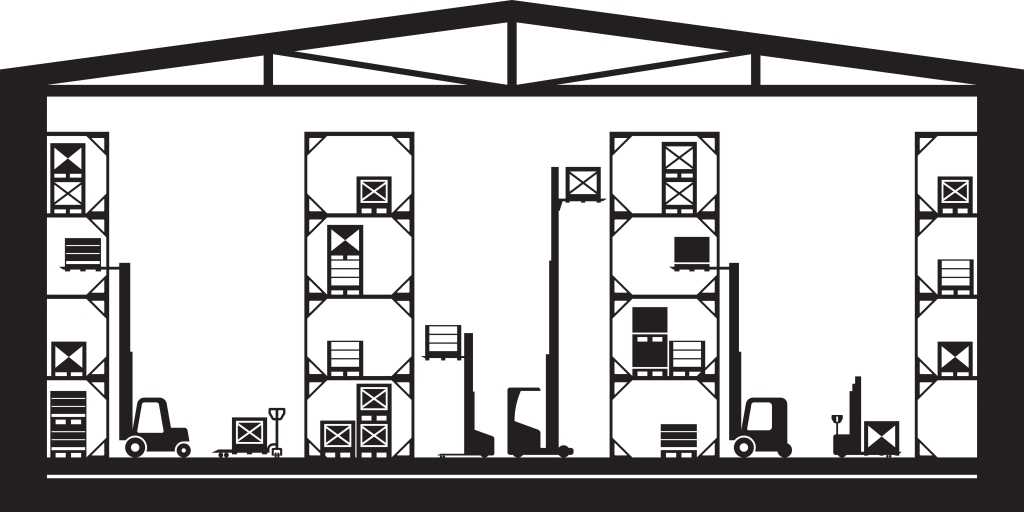
Extended lift height like Stand-up and Double-deep trucks are Reach truck Forkliftswith forks mounted on the side of the trucks. They are perfect for wide and long loads that would be tough for other types of forklifts to handle. Stand-up trucks are the more common ones and are mostly used in sites where there is only one load per bay. The forks slide under the pallet to lift and move them. Double-deep trucks come with longer forks so it makes them ideal for sites where multiple pallet loads are stored in each bay as these forks can reach right to the back of the bay.

Side loader forklifts for narrow isles:

There are two main types of side loader forklifts – the enclosed cab used mostly in the outdoors, and a stand-up version that is just right for indoor work.

Telescopic handlers for high lifting:

These forklifts look likes cranes and are often mistaken for them too. They can reach heights and angles that normal forklifts aren’t able to. They also have the added advantage of a single telescopic boom that empowers the trucks making them much more powerful.

Rough terrain forklifts:

They are specially made for terrain that is unstable. These forklifts have a more powerful engine and are generally made for better maneuverability. The calibrated counterbalance at the back prevents overbalancing. As a result, it can be easily operated in mud, snow or ice. Perfect for heavy loads, they can handle 3 tons per load.

Pallet trucks and lift trucks are best for storage facilities and warehouses:

There are many models available, some can move up to 5000lbs, though the main difference is between the lift and pallet trucks. The pallet truck has a limited reach and can move loads at ground level. The lift truck is more complex and can move a palletized load onto a higher a higher level.

You now have a lowdown on different kinds of forklifts. All you need to do is match the forklift with your business and environment. If you’re still wondering about which forklift to go for, please feel free to give us a call on 18008435111 or mail us at in.info@linde-mh.com

Forklift Rental: Why Renting May Be Right For You?

Forklift Rental: Why Renting May Be Right for You?

The last thing you need is a nagging worry about investing in a Forklift or distributors taking you for a ride. This is so because the Forklift price in India could be a concern – an area where many companies or individuals might hesitate to invest in. That is the reason why the presence of a robust network of distributors who rent out Forklifts play an important role.

Taking a Forklift on rental can prove to be both practical and cost effective. Here’s why:

  • Capital does not get locked. Plus you don’t need any upfront loan with high interest.
  • You can stay within a fixed budget without any unexpected maintenance cost.
  • Fleet Management Rental Programs will increase Forklift efficiency by establishing KPI’s and fleet management reports. It will also reduce administration cost and keep your staff focusing on the core business.
  • Hiring Forklifts guarantees the best and latest equipment and technology.
  • When the anything breaks down suddenly and interrupts work, going for rentals guarantee an unhindered workflow.

Points to note when you want to rent a Forklift:

  • Be thorough with your research to find out whether all your needs are met or not.
  • Make sure that you have a qualified employee who can operate the equipment

Every distributor is not alike. Make sure that:

  • The equipment is in a good condition before hiring
  • They are a certified dealer
  • You read, understand and are okay with the terms and conditions
  • You read the fine print
  • The equipment is insured

Look at it this way, you must make note of what you are exactly looking for beforehand, and also compare with the points mentioned above. After that, whatever points you think needs clarification, just make it a point to call the dealer and ask directly.

In case of any queries, please feel free to contact Linde Forklift Rentals. Alternately, you can put down your questions here. We will try to answer them as clearly and as promptly as possible. Our phone number is: 18008435111 or you can write us at in.info@linde-mh.com.

linde-safety-tips-for-forklift-operations

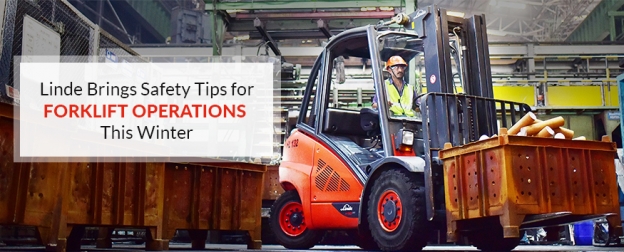
Linde Brings Safety Tips for Forklift Operations This Winter

Winter is here and as per data from OSHA (Occupational Safety and Health Administration), 11% of the total Forklift trucks are involved in accidents every year. Half of these accidents can be avoided if the operators have proper training and the Forklifts go through proper maintenance.

At Linde Forklift in India we amalgamated our experience and vast knowledge in Forklift Trucks and have prepared a list of measures to adopt to ensure both the Forklift and the Operator are safe during the winters to ensure unobstructed productivity with zero risk.

Awareness and Training:

The first step to staying safe under any conditions is to know them well. Forklift Operators need to know the environment and weather conditions they’d be working under. The conditions include-

• Limited Visibility (Due to Fog and Snow)
• Snow, Ice and Extremely Cold Weather
• Slippery and Wet Roads

Your job as an employer is to ensure that the forklift operators are well trained to adapt to these conditions and modify their working process accordingly. For instance the operators need to maintain alertness at all times so they are aware of any potential hazards and road conditions around them. A part of the operators’ training can be the speed reduction bit. Operators are eager to make up for lost time due to snowfall or get back inside and as a result they end up speeding up the task at hand. This might result in accidents cause no matter how high end your equipment, nature and outside conditions are unpredictable and along with the presence of pedestrians, there are high chances of accidents. Hence, the operators need to work slowly with caution.

Protection of Operators:

No one can concentrate on work at hand if they are freezing in cold and subject to health hazards. To ensure the forklift operators are comfortable in carrying out business as usual and maintain concentration levels, adequate warm clothing needs to be provided along with reflective and highly visible overalls. In addition, they should be provided with jackets and pants that are water and wind proof with polar fleece jumpers.The operators should also be encouraged to take regular breaks and retire to warmer places that can relax their muscles and energize them for work.

Maintenance and Enhancement of Forklifts:

To avoid any mishaps and facilitate smooth workflow, you need to ensure that your Forklifts are prepared for winters with the latest equipment and checked for any and all kinds of mechanical risks. Below are a few thumb rules to use:

• Tyre Inspection for right pressure, quality and life.

• Thorough check of all the electrical systems, hydraulics, engines and batteries.

• Ensure Cabs and Heaters are present in all your Forklifts.

• Conduct regular maintenance checks to ensure fluid and fuel levels, lighting, floodlighting, starters, de-icer levels and all other parts are in order.

• Ensure the Forklift is equipped with Winter Attachments like a plow or scoop attachment for removing snow and ice from the ground and salt spreader or sander to melt the ice, grit the parking, working and loading areas.

• Ensure the Forklift is duly covered protecting it from the rains and wind in stormy weather.

• The Forklift should be sufficiently warmed up before operation so that the engine and hydraulics can be used to their full potential.

• Post operation; ensure a thorough cleaning is carried out on the Forklift to ensure its safe use in the future.

• Storage of the forklift should be in a dry area and a battery warmer can be used or the battery can be kept plugged in to ensure the battery doesn’t end up flat.

• The diesel used should be in accordance with the temperatures along with high quality hydraulic fluids. You can also opt for additives that prevent the gelling or freezing of fuel.

To conclude, as long as you ensure that the forklifts are thoroughly checked on regular intervals, enhanced with the latest technology and the operators are given adequate training and are given the right training and right clothing, the above tips shall take care of the rest. For all your Forklift needs, you can write to us at in.info@linde-mh.com or call 18008435111.

Optimal Safety & Protection For Driver, Goods, And Operations

Optimal Safety & Protection for Driver, Goods, and Operations

With frequent accidents involving industrial trucks we at Linde have set a motto “Zero Accidents”. This helps us in pursuing a comprehensive philosophy of safety. One of the most important things is the operational safety and safety at work.

With our motto of ‘Zero Accidents’ in place, we relentlessly pursue our philosophy of safety. Operational safety and safety at work are the two most important points for the management who are in charge of the intra-company material flow.

Our goal is Good Logistics which prevents 100 % accidents.

With this very focus in mind Linde is developing innovative machinery in industrial trucks as well as intelligence assistance systems, comprehensive training programs and consulting services. The outcomes are articulate results which help operators adapt to the varied challenges of modern intra-logistics.

Safety: Made standard feature

Modern industrial trucks and their operators are now facing an increasing demand day by day to perform the perfect work. The trucks have to be very efficient and work faster with rapid flexibility. With increasing demands at work the risks of accidents also increases. And so forklifts and warehousing handling equipment’s from Linde have various different features designed for the maximum safety.

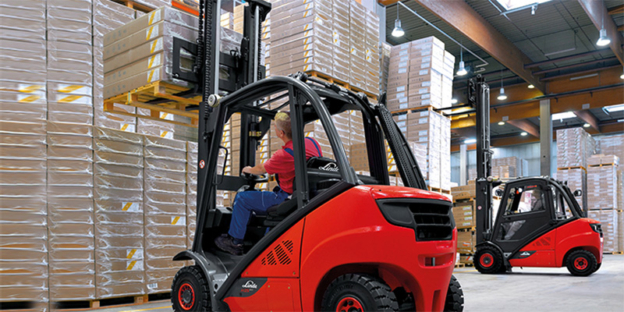
For e.g. - The Linde Protector Frame on the Linde counter balanced forklift truck offers top-notch protection to the driver. The protective canopy and frame form an enclosed area to protect the driver completely. Through the overhead tilt cylinder the truck’s load is distributed evenly across its entire structure.

Through the overhead tilt cylinder, the load is distributed evenly across the entire frame. Further the composition of the tilt cylinder allows the use of slim profile lift masts. This gives the driver a clear vision. In order to effectively guard against the truck tipping over in all loading and driving situations, the overall system is designed such that the centre of gravity is as far forward and as low down as possible.

Similar design details which help to improve safety are to be found on all Linde industrial trucks. The driver’s workplace is designed in such a way so that the latter’s body stay within the outlines of the truck and at the same time he can keep an eye on the surrounding environment.

Intelligence Assistance Systems

Technology is of utmost importance while handling any kind of machinery. It is one of the most crucial elements in getting the work done. However most of the accidents that happen at the workplace can be traced back to human error.

But at Linde you can be rest assured; Linde Material handling driver’s assistance support the driver by all means and keeping their work safe.

At Linde we use innovative equipment’s such as Linde Speed Assist and Linde Curve Assist which automatically adjust the power output of the engine and the speed of the truck to the surrounding environment and the driving situation.

Some examples of intelligent assistance systems are developments such as Dynamic Mast Control or Linde Blue Spot.

Dynamic Mast Control strongly takes care of the to and fro movements of the mast on a lift truck. This feature allows the forklift drivers to operate accurately and cautiously even at greater heights along with heavy loads.

Linde BlueSpot offers great safety where people and forklifts work in tandem with each other.

Safety begins with the driver

Well trained drivers are essential to carry out smooth operations and reduce the incidences of accidents and material damage.

We at the Linde Academy offer an in-depth education regarding training programs for novice drivers and specialists in all types of truck handling. The focus of these sessions is providing a comprehensive education and safety instructions and adequate training in both theory and practice.

The Linde Safety pilot is a turning point in the development of the safety systems and is surely a huge development in the safety systems. It keeps the driver informed of all the important specifications which includes the current load weight. And that’s not all it also actively prevents various operating lapses.

Digital Fleet Management as a safety measure

With the Digital Fleet Management at Linde, it offers various solutions which improve the safety of the driver. Linde has the personalized access controls feature in which the operator can structure the truck for any particular driver. Depending on the purpose of the truck the maximum speed can be limited. Digital fleet management also offers other functions such as electronic damage monitoring, automated transmission of error codes and analysis of usage data.

On the road to ‘Zero Accidents’

At Linde we follow the mission of ‘Zero Accidents’. Our mission of preventing 100% accidents is imbibed in our philosophy and we strive hard relentlessly to achieve it. Improving our intra-logistics to set new records in safety has been our main aim. Such programs help Linde to continually improve the safety of their intra-logistics and help serve the customers better.