Category Archives: Blog

How Forklift Maintenance Ensures Better Warehouse Operations

How Forklift Maintenance Ensures Better Warehouse Operations

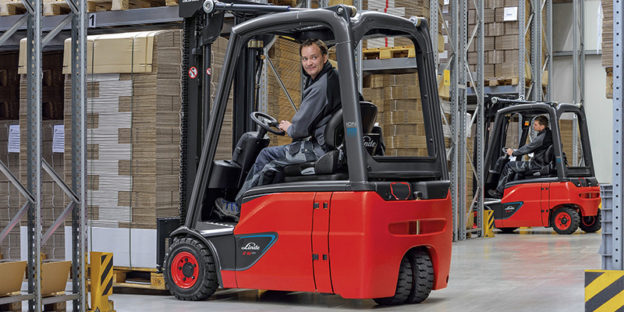
Every piece of a warehouse has some or other maintenance requirements and forklifts are no different. Rather, forklifts are quite an important tool in warehouses. If the warehouse is a body, forklifts are like its veins that keep the warehouse running. These are some of the most ruggedly built and reliable industrial machines. They transport heavy objects from one area to another and also lift palletized load. They affect warehouse productivity in several ways and hence need proper maintenance.

The service lives of forklifts can extend significantly with some essential maintenance practices performed on a regular basis. Along with this, operating a forklift in the manner suggested by the manufacturer results in cutting off the downtime and increased efficiency.

So, let us dive deep into some best practices that will help you maintain forklifts and also enable smooth and efficient running of your warehouse.

Tips to Boost Warehouse Productivity

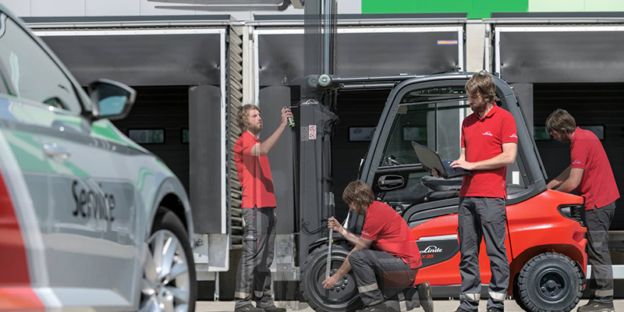
Servicing of forklifts at regular intervals

Servicing and maintenance play a vital role in the operation of a forklift or any machine in general. Each forklift has a prescribed service interval after specific working hours. It is prescribed by the manufacturer; however, Linde forklifts are generally reliable workhorses that can make your warehouse's productivity boost enormously.

Other maintenance tips for forklifts

Forklifts are designed to bear extraordinary pressures. So, it is essential to operate them efficiently with the utmost care, while following the set rules and regulations. It is necessary to change the oil after the defined time. This prevents combustion issues and increases forklift efficiency. Also, it is essential to lubricate the moving parts, check the tire pressure at regular intervals, and check the fluid levels, especially if they are hydraulic forklifts.

Hiring trained professionals

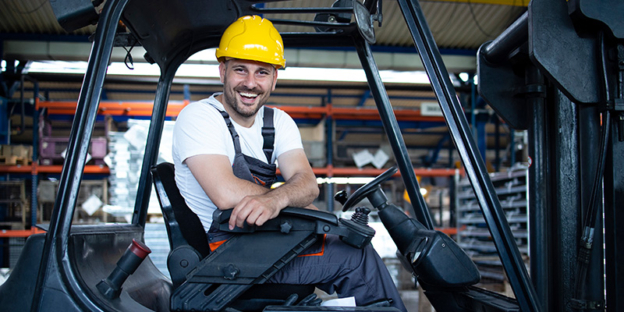
Warehouses require numerous professionals for operating forklifts and similar machines. But, for ensuring the better service life of the warehouse machinery, it is essential to either hire trained professionals or train them in-house. They will be able to handle and run the machines cautiously while being vigilant.

Choose Fleets according to the requirement

Selecting a perfect fleet for your warehouse can result in the enhancement of your productivity. Always choose reliable and user-friendly material handling equipment (MHE). Assess all of the equipment solutions that will meet your warehouse material handling and transportation needs. Prioritize knowing these requirements. You can consider renting or purchasing equipment from Linde forklift India according to your needs, as Linde has high-quality forklifts available in the market.

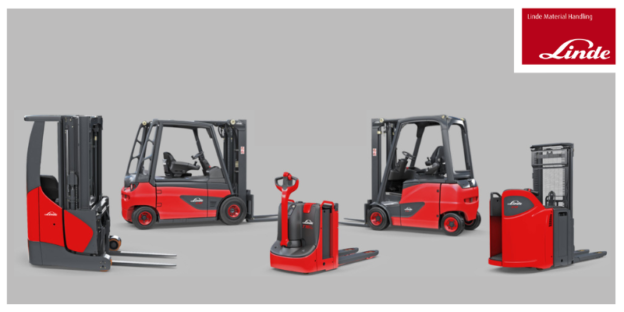
You should also think about your fuel alternatives. Electric or battery-powered devices can be simple to charge and use. Linde Forklift India provides a variety of electric forklifts, reach trucks, electric stackers, electric pallet trucks, and other products.

Increase warehouse accessibility

Space management is a crucial factor in a warehouse facility. Warehouses are often large complexes with acres of area at times. To improve accessibility in such a huge area, it is necessary to use vertical space wherever possible and give the items a permanent place. It is also essential to keep the aisles as wide and open as possible. Last but not the least, wherever possible, replace stairs with ramps to ease the complications for the staff.

Summary

In recent years, the storage business has experienced a surge in demand. In response, the industry has developed new methods and measures to ensure the productive and efficient functioning of the warehouses. Maintenance of the warehouse machines and equipment is one of those essential practices. Various material shifting equipment, such as diesel-powered forklift trucks, electric warehouse equipment, etc. are employed to execute these practices. If you too want to boost warehouse efficiency, try applying the aforesaid tips and practices.
Pallet Rack: Damage Causes And Prevention Tips

Pallet Rack: Damage Causes and Prevention Tips

Pallet racking is a material-handling storage system designed for the bulk storage of items on skids or pallets. Usually, forklift trucks and electric stackers are used to move or lift material and stored it in pallet racking. Such a racking system enables more effective space usage while also offering easy access to stored products for improved inventory control. Racking systems provide advantages such as effective space utilization, inventory management, fewer damaged items, greater staff productivity, automation, safety, and cleanliness.

Before investing in a racking system, it is essential to evaluate the available floor surface and vertical space, pallet load weight and dimensions, desired capacity, throughput, inventory management type, and cost. Racking systems with great selectivity and low density include selective, double-deep, and extremely narrow aisle racking.

Pallet racks are an important component of warehouses. So, it is also essential to consider the reasons for the damage to pallet racks. Their maintenance, prevention, fixing of damaged parts, etc. is a 24/7 job in a warehouse. So, one should take this seriously or else it may cause safety issues, and affect the quality of operations, and delivery deadlines as well. Let’s look at some of the factors that can damage the pallet racks.

Most common pallet rack damage factors

  • Loading the pallet above its determined safety weight can be damaging
  • It can also be caused by a forklift driver's poor driving skills. Drivers might hit the entrance boards or against racks with the forks.
  • Material of the racks can get damaged. For instance, wood is commonly used to manufacture pallets. Wood deteriorates with time, and this deterioration worsens when it is exposed to a hostile environment, such as a workplace or warehouse that is either too dry, too humid, too cold, or too hot. Rotted wood can then corrode the steel or aluminium racks.

Here are some simple, but effective ways to avoid damage to the racks


Widening of the Aisles:

The width of the aisle is the biggest concern when it comes to protecting the pallet racks. Companies aim to optimise their floor area at all times, which leads to the use of narrow aisles. But this is an inefficient practice since forklifts require space to manoeuvre. The majority of pallet rack examinations have indicated that incorrect forklift operation results in catastrophic incidents. This is due to the fact that the space required to operate is insufficient. So, widening of aisles can help.

Implement Rigorous Surveillance:

Reduce pallet rack damage by having a specialist examine them regularly. At least once a week, do internal walk-throughs and visual inspections. Damaged racks may cause a lot of congestion and inefficiency since they function like ticking time bombs. Surveillance and inspections may save you a lot of money, morale, and legal issues down the road.

Installation of Guardrails:

In your warehouse, a safety guard rail offers both a physical and visual barrier. Any facility's purpose is to be safe and to avoid accidents. That is one of the most significant techniques for avoiding pallet rack damage. Install pallet guards at each frame to help in shock absorption. This will need an initial expenditure, but it will pay off in the long run.

Better Lights at Warehouse:

Sufficient illumination is one factor that substantially contributes to warehouse efficiency. It can reduce pallet rack damage to a great extent. Warehouse managers should prioritise improving the present lighting configuration, particularly in the darker areas of the warehouse. Lighting improves worker safety, encourages attention to detail, and improves worker attitude, resulting in a more productive workplace.

Stabilizing the Pallet Racking:

Most individuals are unaware of how to stabilize pallet racks. Electric Stacker is a boon to the warehouse as helps stabilize the pallet racks. In general, warehouse managers can set them up without bolting them to the floor. This is critical because it might make the difference between minor collisions and your pallet rack toppling completely to the ground – in such circumstances, you risk not just injury but also thousands of dollars in damages.

Summary

These are just a few basic methods for preventing pallet rack damage. Pallet racks are the warehouse's backbone, and in order to have an effective warehouse operation, there must be a good quality check at frequent consistent intervals. However, there must be a strong emphasis on worker training as well.

Major Types Of Forklifts Used In The Warehouses!

Major Types of Forklifts Used in The Warehouses!

The industry of warehouse and logistics is incomplete without forklifts. Forklifts are widely used to load and unload commodities in warehouses. Raw materials, packing materials, spare parts, components, and commodities from agricultural industries, manufacturing firms, etc. are usually stored in warehouses. Here, forklifts serve an important role in transporting logistics at the warehouse. They are intended to load and unload cargo from trucks, railways, airports, seaports, etc.

Significance of forklifts in material handling

Forklifts are among the most prevalent types of essentials in warehouses. Bulky loads of commodities are carried in warehouses using forklifts. Operators can easily carry large amounts of items around the facility using these forklifts. There are many different types of forklifts available in the market, based on several factors, and each one is excellent in its approach. There are generally three types of forklifts based on their energy source- diesel forklifts, electric forklifts and LPG forklifts. Let us have a look into the details of each type.

Major Types of Forklifts in the Market:

Diesel Forklift: Conventional and Frugal

A diesel forklift is the largest type of forklift. These are best for outside use, especially on uneven terrain. A new diesel forklift truck is generally substantially less expensive than an electric one. Diesel engines have far higher torque than propane or electric engines, allowing the forklifts to accomplish more significant work such as lifting bigger weights, climbing up steeper slopes, and accelerating more quickly.

Because of their endurance and durability, diesel engines often require less maintenance than propane or electric engines. These forklifts have the longest lifespan compared to electric and LPG forklifts. So, they prove budget-friendly in the long term. These forklifts often have a higher resale value than propane or electric ones.

While diesel forklifts have several advantages, they have some limitations as well. Although diesel engines require less maintenance than electric forklifts, the expense of doing so is far higher. Besides, being a diesel-powered machine, it results in a lot of carbon emissions, thus harming the environment. It is the least eco-friendly forklift of the three kinds. Also, they are very loud in their operations.

Electric Forklift: Future Ready

Instead of gasoline tanks, electric forklift trucks run solely on rechargeable batteries. They are often the smallest form of forklifts, and they work the best when used for indoor purposes. Because electric forklifts do not utilize traditional fuel, they do not incur the refuelling expenditures associated with diesel or propane. Because there is no fuel burning, noise levels are substantially lower, making these forklift trucks the quietest of the three types.

Electric forklifts are smaller and more compact than their counterparts since they do not require fuel storage. As a result, they are simpler to turn and manoeuvre, especially in tight, confined locations. Because electric forklift trucks do not use fossil fuels, they emit no carbon dioxide. This makes them more ecologically friendly than diesel or propane. So, if you value environmentally friendly machinery, deciding between an electric and a gas forklift is simple. Electric engines are less expensive to operate and repair than diesel or propane engines since their mechanics are less complex.

Although they may save money on gasoline in the long run, electric forklifts have the greatest initial cost of the three varieties. Unfortunately, the penalty of saving gasoline is dramatically reduced torque. Also, it takes a long time to recharge an electric battery.

LPG: Best of Both World

LPG forklift trucks are powered by propane. In terms of size, they fall in between diesel and electric forklifts and the same can be said for their optimal operating environment. They may be used both indoors and outdoors. LPG forklifts are the most efficient since they can run for the longest period on a given amount of fuel. They can often work a complete shift on a single tank. Though LPG forklift truck torque is not as high as diesel, it is far higher than electric. Despite not being as eco-friendly as electric forklifts, LPG trucks emit much fewer pollutants than diesel trucks, making them more sustainable.

But here are some drawbacks of these forklifts. The problem with LPG forklifts is that, while they have the lowest sticker price, the cost of ownership over time is higher than that of either diesel or electric. Propane forklifts have a low rear view due to the area taken up by the fuel tank on the back of the vehicle, making them difficult to navigate.

Significant Factors To Consider While Buying A New Forklift

Significant Factors To Consider While Buying a New Forklift

Forklifts are mostly employed in the manufacturing sector for storing and handling large products. They have motorized or battery-operated counterbalanced carts. They feature numerous forks on a hydraulic mast up front. Forklifts have three or four wheels and use the rear wheel to steer. Forklifts come in a broad variety, and each type is made to do a certain job. These are required for handling inventory and transporting bulky cargo to different places like storage, transport vehicles, etc.

For several reasons, it is essential to purchase the forklift wisely. Forklifts operate for hours together in a warehouse or a manufacturing firm. So, while determining the kind of forklift that will best fit your company's needs, you have to be cautious while buying it. In order to keep up with changing times and regulations, if you want to purchase a new forklift, there are a few things you need to ask beforehand, as mentioned below in this blog. These questions will help you understand the specifications and the kind of forklift that will work best for your material handling needs in your warehouse or manufacturing firm.

What are your system requirements?

The most fundamental and crucial question to ask when purchasing a forklift is this one. You might be interested in learning a forklift's load capacity in order to better understand your company's needs. Do you deal with heavier weights or more lightweight loads at your company? This knowledge will make it clear to you if an electric stacker will do or whether a heavy-duty forklift is required.

A lot relies on the forklift's working hours, manoeuvrability, and the width of the facility's small aisles, as well as whether you'll be utilizing it indoors or outside. Because forklifts are created differently for various environments, objectives, and levels of labour intensity, it is crucial to take these factors into account.  Be sure to do your research before making a purchase.

Do you have a diesel or an electric forklift in mind?

As per the demands, you must decide whether a forklift - electric or diesel - will work best for your material handling requirements. Both are great each of the powertrains excels in its forte, Diesel forklifts are big and strong vehicles powered by diesel engines. Diesel engines produce more drive line torque at low RPM. The total cost of ownership of a diesel forklift is lower, and it has a longer engine life than the LPG.

Electric motors, unlike diesel, gasoline, and liquid propane gas internal combustion engines, do not emit any exhaust. There is no hazardous carbon monoxide to breathe for operators or surrounding workers, and no carbon dioxide greenhouse gases to warm the climate. Except for the tyres, the lift, and the sound of the safety backup horn or warning beacon, an electric forklift makes almost no noise. Because electric forklifts lack an engine, transmission, or radiator, they have fewer moving parts that require maintenance.

Keep in mind the scope of work of your warehouse handling equipment

You must be aware of the benefits of a forklift before making an investment in one. To utilize it to its greatest capacity, it is essential to get familiar with its adaptability. Additionally, you should ask about the best location for its job since a forklift may increase machine handling productivity if used wisely. Making the wrong decision can diminish productivity and lower the return on investment.

Now that you're aware of the inquiries you must make before purchasing a forklift, you also need to confirm that the individual driving it is properly educated and equipped to carry out this duty. Maintaining your forklift is crucial to ensuring that it serves you well. As a result, choosing a forklift and investing in a qualified forklift operator are both crucial decisions.

Visit our website to view our range of forklifts and warehousing equipment if you're interested in purchasing modern, well-equipped, high-performance, and durable forklifts. We also provide the option of renting the material handling equipment

What Not To Do While Operating A Forklift

What Not To Do While Operating A Forklift

A forklift is a powered industrial Material handling equipment that is used to lift and transport items over short distances. Forklift trucks have become essential equipment in various industries which require warehousing and storage facilities. While forklift trucks make moving materials easier, it is crucial that they be operated by professionals to prevent material damage and accidents. Following are some safety measures that must be taken when using a forklift.

Do not overload the forklift truck above its rated capacity:

A load rating is assigned to each forklift. This is often engraved on a metal plate attached to the forklift's cab entrance. Its function is to guarantee that the driver is always aware of the forklift's capacity. When a forklift lifts products that exceed its load rating, it can and will tilt forward. One should not overload the truck above its rated capacity.

Train your operators regularly:

Provide regular safety training to your operators. It keeps the rules and guidelines fresh in their mind and keeps them up-to-date on any changes or development in forklift truck safety.

Don't let the operator drive fast or make sharp turns:

Forklifts with rear-wheel steering can make very quick turns and move with accuracy in tight places. In the tight spaces where forklifts are usually used, rear-wheel steering allows for exceptionally quick turns and precise maneuvering. It is recommended to maintain the speed range during operation.

Do not approach the forks or stand beneath the lifted load:

Standing near an operating forklift or reach truck is very dangerous. Even a minor lifted load might be fatal. If a weight falls, the loads are at least in the range of 1Ton, and can instantly break and divide into several parts.

Don’t attempt to pick up loose materials with a forklift:

Diesel Forklifts are made to pick up containers and pallets and are designed in a very specific manner for the same. Picking loose material might cause damage to the forklift as well as to the surrounding objects. It is recommended to carry only what is denoted and in the way that the manual suggests.

Allow zero offsets or tilting of the load stack:

The weight on the forklift must be raised with caution and never offset or skewed, since this may cause the forklift to collapse. Before using the forklift, the load stack should be correctly fastened. It is always recommended to check the forklift operation manual for correct loading instructions.

Don’t use a forklift that is not certified and does not work properly:

Operating a forklift that is not maintained properly can be dangerous as it may not be in favorable working condition. Servicing the forklift at the recommended interval is vital to maintain it in good working condition

Avoid abrupt braking or lifting weights before coming to a complete stop:

One should never brake abruptly while carrying the load as it may disbalance the load which might lead to mishaps. The operator should even avoid lifting loads when the forklift is in motion.

Apart from these, there are many precautions that warehouses and operators need to follow. There is no replacement for the forklift in India or anywhere else, thanks to its sheer weight capacity and favorable working conditions in warehouses.

Benefits of Renting Material Handling Equipment

Why Rent? Benefits of Renting Material Handling Equipment (MHE)

Workflow in a growing industry requires sturdy material handling equipment, for improving the efficiency of the factory, warehouse, and storage areas. With such requirements, the need to include and expand the fleet size of equipment including forklift trucks, electric stackers, battery-operated pallet trucks (BOPT), reach trucks, etc., increases. While purchasing a new material handling equipment might not look like the most feasible option in terms of capital expenditure, the rental option becomes the next best way. Renting the appropriate equipment can help neutralize the increased demand and help reduce the capital expenses involved. This allows you to invest in business development opportunities such as warehouse or inventory expansion.

Why Should You Consider Renting?

Though the requirement may depend upon various factors such as the volume of work, available capital in hand, type of material to be handled, etc., buying a MHE or trying MHE rental can be decided by its purpose.

Buying an MHE is the optimal solution if there is a need to expand business capabilities, however, due to budget constraints, buying may not be feasible. In such cases, renting out MHE proves to be sustainable. Also, if you don’t have the skilled manpower required to take care of the operations, servicing, and maintenance renting is the right choice.

MHE Rental offers you the opportunity to bypass high upfront costs and choose the optimal equipment as per your requirement. The equipment can easily be returned after fulfillment of the requirement after the contract tenure ends. This also provides an opportunity for the customer to upgrade products according to the latest technology.

The Benefits of Renting your Lift Equipment

In addition, renting material handling equipment has several other benefits that make it the perfect alternative for your needs.

  • You can choose the equipment perfect for your job: Ranging from forklift trucks of different classes and capacities to electric stackers, battery-operated pallet trucks (BOPT), reach trucks, etc., renting can help multiply productivity to meet any need of your organization.
  • Ease of maintenance and payment: Renting MHE of any type have a service and maintenance charge included in the rental charges, so there is no extra cost incurrence for maintenance & service.
  • No big investment cost when there is a fleet requirement: Finding out the cost of each piece of equipment in a fleet may be overwhelming when you start to invest in a fleet. However, for fleet rental, the cost is a fixed amount for each product assured per month.
  • Fixed rate for the entire contract period: Any deviation in the price of the product does not affect the rental contract price during the period. So, there is no impact of inflation on rental expenditure during the tenure.
  • Accelerate business growth: Renting MHE allows you to invest the saved capital into business growth opportunities like technology enhancements that can increase productivity and reduce costs significantly in the long term.
  • New Trucks after the contract tenure: After the rental contract tenure ends, the customer has the option of acquiring new trucks or renewing the contract with the same set of equipment.
  • Minimize Service involvement and stocking parts are not required.


To get in touch with Linde Material Handling rental team, call 1800 843 5111 to discuss your requirement.

LOW-LEVEL ORDER PICKER

5 Common Forklift Problems and Fixes

No matter how rugged and robust forklift trucks are, without a properly trained and experienced operator they may result to operation failure. Improper maintenance practices, unprofessional handling & operation, or lack of knowledge about the vehicle can often lead to problems.

A forklift truck may encounter issues which if left unaddressed can lead to malfunctioning or complete failure. So it is vital to spot, understand, and fix potential issues early.

Here are the 5 most common forklift problems and how to fix them:

1.  Issues with Ignition

The health of a diesel forklift engine depends on various factors. If you are unable to start the vehicle it does not necessarily mean that it needs major repairs, it can also be something easily fixable. In such a case taking a look into the following can help:

  • Check the fuel level for Diesel forklift
  • Incase of Electric forklift, take a look at the battery condition and make sure that the battery is charged.
  • Diesel forklift engines tend to overheat. Check oil and coolant levels and make sure that you have an adequate amount of both.

If there are no problems with the power, oil, or coolant levels, it is advised to call professional help for your Linde Forklift. Keeping a service book with the maintenance history of the machine always comes in handy.

2.  Issues with Engine Heating

An overheated engine can cause the diesel forklift to shut down. Excessive heat also burns the engine oil faster which may lead to the forklift being non-operational. So it’s important to take a look at the following regularly:

  • Keep a check on the coolant system. Ensure that it is active. Check for the coolant levels.
  • Check for blockages and gently clean the machinery if required.

Apart from these, if you own a Linde forklift, it is also advised get in touch with Linde Service Official so that the problem may identified immediately and solution can be provided.

3.  Issues with Steering

Having an issue with your steering is very dangerous, it makes the forklift truck prone to errors and in turn, accidents. Consider the following factors to avoid such incidents:

  • Check steering fluid transmission. A poor flow can affect the ability to switch directions.
  • Check wheel alignment.
  • Check the condition of the gears of the steering assembly. Worn-out gears or a rusty steering mechanism can also cause issues with the steering.

Damaged or worn-out parts should be replaced with genuine spare parts to prolong the life of the machine. Contact your nearest Linde Forklift dealer for regular checkups.

4.  Issues with the Mast

Problems with the mast or the lift mechanism of the forklift may arise. To reduce the risks of damaging the goods it is important to resolve the issue straight away.

Contact your service officer, incase you own a Linde forklift, get in touch with your nearest dealer personnel.

5.  Issues with tyres and suspension

Due to the heavy loading and unloading involved with forklifts, the tyres are bound to take a toll. Worn-out tyres affect the forklift’s performance and can lead to problems with driving, stability, and safety. The operator should always inspect the tyres before using the forklift truck and suggest a replacement when necessary.

How To Ensure Safe Outdoor Operations Of Forklifts

How to Ensure Safe Outdoor Operations of Forklifts

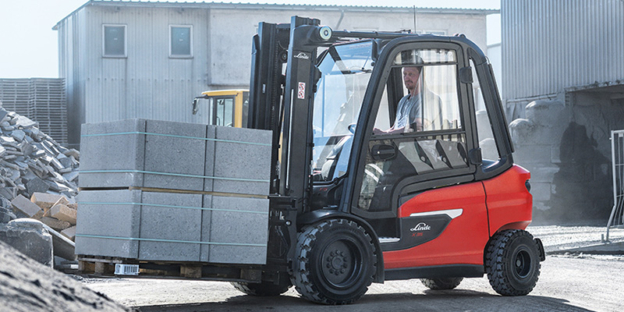
Forklifts are useful material handling equipment that can be both indoors and outdoors. From warehouses and manufacturing plants to outdoor construction sites, docks, and container yards, also lifting heavy materials on the roughest terrain. Forklift trucks are versatile and help operators lift, carry, and store heavy cargo with ease.

While outdoor forklifts are extremely useful, outdoor applications require specifications of the forklift to be different than the one for indoor applications. So here are a few tips that can help you ensure maximum safety and avoid accidents while working outdoors.

Maintain your Forklift Regularly

On being exposed to outdoor elements the overall lifecycle of the equipment can decrease. Outdoor forklifts naturally have the potential to wear out early and require maintenance earlier than those deployed indoors. It is important for the operator to ensure scheduled maintenance and servicing.

Safety checks like oil, fluid, and coolant levels are vital to reduce hazards. Low coolant levels can lead to overheating, which can cause damage to the engine, fluid pipelines, and electronics of the diesel forklift truck. Poorly inflated tires and a lack of essential fluids prior to use can be exceptionally hazardous. The operator must always keep the tire pressure in check. Low tire pressure can increase the chances of running flat which makes the reach truck inoperable, in turn, reducing productivity.

Stay Vigilant

Working outdoors also calls for unpredictability. In a closed indoor environment, the workforce and material handling jobs can easily be streamlined to reduce hazards. However, operating forklifts in outdoor applications should be vigilant and always keep their surroundings in check. They should be able to continuously recognize potential hazards, such as obstacles and pedestrians, and avoid accidents. It's important to stay calm and focused while driving the reach truck with both hands on the wheel. It is also mandatory to operate the forklift according to the guidelines and take into consideration the safety features of the forklift.

Establish and Use Safety Systems

Effective safety communication is the key to successful and productive material handling operations. Any communication gaps between the team and the forklift operator can lead to damage to man, machine and load. When everyone knows when, where, and what task is taking place the risk of accidents decreases.

The forklifts have Safety systems to ensure that the forklift is operational with utmost safety.

Keep a note of the Weather

Weather can present new challenges for the operators. It is the biggest factor affecting outdoor working conditions directly. It is important for workers and operators to have a clear understanding of the impact of the weather on their ability to function safely.

Linde forklifts are weather operational and can work in various weather. Check with product manual whether the forklift can work in the work environment required or not. Forklifts are heavy machines and trained operators are mandatory for all equipment operation. Alongside, all the staff should have regular refresher training to keep their knowledge up to date. By following these tips, operators can greatly reduce the risk of an incident occurring, promoting the safety and efficiency of the construction site, dockyard, or other outdoor environments.

Ensure Maximum Safety For Your MHE Operators

Ensure Maximum Safety for your MHE Operators

With the increasing automation and reliance on material handling equipment and systems, warehouse and storage facilities need to go the extra mile when it comes to personnel safety. Along with appropriate training and hiring certified operators for safe equipment operation, it is also important to ensure the safety of the operator themselves.

Most industries require workers to conform to basic uniform standards—forklift trucks, electric stackers, reach trucks, or other heavy-duty equipment operators are no exception. Wearing appropriate clothing ensures optimal levels of safety alongside increasing their productivity and efficiency. Inappropriate clothing can often lead to injuries and fatalities if the worst happens. So, it is crucial for supervisors to ensure adherence to such basic measures.

Let's understand why protective gear is important for forklift operators.

Forklifts trucks are versatile—they are used for a wide range of tasks and in different environments. When working in confined spaces and narrow aisles a small mistake can lead to catastrophic accidents. In such a case protective gear like an industrial helmet can save the operator’s head from plummeting cargo. Similarly, in outdoor operations, the correct clothing and gear can add an extra layer of armor and protect them from harm while they go about their work.

There are many protective measures that can be considered to ensure the safety of your skilled personnel, here are some of the very basic gear and measures that must be set in place to ensure optimal safety at your workplace.

  1. Head protection

Protecting the head from falling objects is paramount when operating any material handling equipment. Every work environment poses threats to the personnel involved. In warehouses, there is the ever-present risk of something tumbling from high racking, so wearing an industrial-grade hardhat is essential.

Forklift trucks have robust frameworks that cover the top of the vehicle but other machines like electric stackers and hand-held pallet trucks that do not offer a cabin for the drivers become prone. Head protection gear offers safety to the operators as well as other employees while working in confined spaces and moving loads well above head level.

  1. Eye Protection

Safety goggles and face shields are gears that protect the worker’s eyes from environmental hazards. It becomes extremely important when operating in dusty or windy environments, around toxic materials or chemicals that may compromise the vision of an operator. Driving a forklift is a job with a high level of responsibility, so having a clear vision is important for everyone’s safety.

  1. Reflective Safety Clothing

Having great visibility is important for forklift truck drivers but it is equally important that they are clearly visible to all other workplace staff. Various materials handling jobs often require the vehicle driver to get in and out of the vehicle regularly while performing their job, so they must be able to be seen clearly when working both in and around their vehicles.  Reflective clothing alerts other workers that heavy machines are being used in the area.

  1. Foot protection

For an operator, it is important to wear appropriate safety footwear while operating a forklift truck. Industrial shoes with puncture-proof soles and toe protection helps to keep drivers’ feet safe from environmental hazards and prevent crushing in the event of an object falling onto the foot. The same also stands true for other material handling equipment, like electric stacker and reach truck operators as they are also prone to similar risks.

  1. Hand protection

Operating a forklift involves handling various tasks that require the operator to move out of the cabin and lock, load, and secure cargo before lifting. Safety gloves protect the operator’s hands from harm when handling such loads. They also shield the operator's skin from residue oil and sharp or rough facets that the load might have. This ensures maximum resistance against abrasion or injuries.

Minimize Risks With Linde Safety

Minimize Risks with Linde Safety

Safety in the warehouse or production environment is the number one priority in intralogistics. Factories, warehouses, and other industries that deal with heavy equipment are places where safety regulations should be followed foremost. Inadequate safety precautions can often lead to accidents and in turn loss of productivity. So, establishing regulations and ensuring adherence to various standard operating protocols is the key to creating a sustainable workplace.

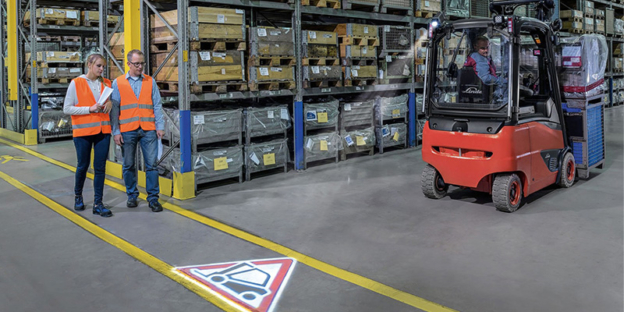
Most modern manufacturing and warehousing companies deploy a material handling equipment fleet to increase agility, efficiently handle materials and derive productivity. However, operating such machines to handle heavy and bulky loads is a job that requires responsibility and accountability. Linde forklifts are integrated with curve control, operator presence system. There are accessories available as well which can be easily fitted to make the machine adapt to new requirements. These are Blue Spot lighting, rear view camera with proximity sensor, red zone lighting, Linde motion detection

Thus, taking certain measures, along with appropriate training, guidance, and vigilance is necessary for smooth, steady, and safe operation. Here is a list of how you can minimize risks appropriately:

Personal Safety measures

Employing well-trained personnel for the task is crucial but it is also important to ensure that they follow an optimal personal safety convention while operating. Safety uniform such as helmets, glasses, safety vest, industry shoes, proper dress are required. Carelessness at work can often lead to inefficiency, bottlenecks, and even accidents. However, it’s not uncommon for drivers to lose focus and neglect their personal safety while performing daily tasks. So having regulatory surveillance at every time any type of material handling equipment; be it warehouse reach truck, Electric forklift, or Diesel forklift, is being used is vital to ensure driver safety.

It is also important to recognize the need to wear a seatbelt while operating any forklift.  Linde’s orange seat belts offer great protection to the drivers while also allowing supervisors an opportunity to enforce their usage. Additionally, Linde Forklifts are equipped with a sequential seat belt monitoring system that ensures that the driver is buckled up before moving the vehicle.

Further, safety doors are a great attachment for outdoor worksites. It offers an extra level of protection for the forklift operator, meanwhile also providing better weather protection. The doors are designed such that they don’t obstruct the driver’s vision and effectively minimize the risk of harm due to obstacles and objects around the forklift truck.

Ensure optimal driver visibility

When operating material handling equipment, it is important to cling to certain safety protocols to ensure maximum performance. One of the major reasons behind most forklift-related experiments is visibility. To avoid such challenges Linde has designed its indoor Electric forklifts and Diesel forklifts trucks such that it ensures all-round visibility. The company has developed specially encapsulated lift masts to make the trucks safer to use.

Additionally, the Linde forklift’s uniquely designed Protector frame gives a protective zone to the operator in case the load falls. It consists of a solid connection between the cab roof and frame. Further, the drivers must always wear appropriate gear that includes helmets, gloves, safety goggles, shoulder protection hoop-guards, etc., to reduce chances of injuries in case of an accident.

Embrace advanced equipment

Linde has integrated a system that ensures safety by implementing commands through two processors simultaneously for lifting and driving. This state-of-the-art technology gives greater precision and prevention of control-related errors.

Further, Linde forklift trucks are equipped with an automated parking-braking system that ensures the stability of the vehicle and loads at all times, minimizing the risk of collision or weight imbalance.

Summary:

Material handling operations is a crucial operation that calls for a safe and conducive work environment. Be it loading and unloading with trucks or working in close proximity with the machines, there are risks attached to such situations. Observing desired vigilance and following safe practices can be instrumental in keeping a check on any hazardous situation from rearing its head.