Category Archives: Blog

The Importance of Ergonomics in Forklift Design: Keeping Operators Safe and Productive

The Importance of Ergonomics in Forklift Design: Keeping Operators Safe and Productive

In the fast-paced world of material handling, the design of forklift trucks is crucial for ensuring operators are both safe and productive. Ergonomics, which focuses on creating equipment that fits the needs of users, has become an essential aspect of forklift design. At Linde Material Handling, we understand that when we prioritize ergonomic principles, we not only enhance operator comfort but also significantly improve overall efficiency in our operations.

In this blog, you will understand why it is so important to consider the ergonomics in Forklift Design by knowing about its impact on operator’s safety and boosting organisation’s productivity. 


Exploring the Importance of Ergonomics in Forklift Design

Ergonomics focuses on creating equipment that align with the natural movements and work of individuals at work or in motion.  For forklift operators, ergonomics involves integrating elements that support body posture and reduce physical strain while improving visibility. This approach reduces the chances of injuries and enhances efficiency.  As the operators regularly handle heavy loads for extended periods, the ergonomic equipment design becomes very important for a company to consider. It brings multiple benefits for a company including a sustainable growth and safer environment for operators along with efficient operations. 


Advanced Ergonomics in Linde Forklifts

Linde Material Handling places a strong emphasis on ergonomic design to enhance operator comfort and productivity across its range of forklifts. Notable ergonomic features in Linde’s forklifts include:

    1. Workplace Comfort
    • Ergonomic Control Layout – Strategically positioned controls allow for effortless operation. The placement of key controls within easy reach ensures operators can work efficiently without unnecessary strain or repetitive movements.
    • Spacious Cabin Design – Ample room for movement, enhancing operator comfort. Generously sized operator compartments provide enough space to move freely, reducing fatigue over long shifts.
    • Adjustable Seating Options – Multiple seat configurations to suit diverse operator needs. Customizable seating options, including lumbar support and suspension systems, accommodate different body types and work preferences.
    • Rotating Driver’s Seat – Reduces neck and back strain, enhancing long-term health. The ability to rotate the seat allows operators to look in different directions with ease, reducing the risk of musculoskeletal disorders.

    1. Optimized Field of View
    • Large Glass Panels – Maximizes visibility for safer handling. The expanded viewing area helps operators navigate their surroundings with better awareness, reducing blind spots and improving overall safety.
    • Slim Mast Profile – Reduces blind spots for a clearer view of the surroundings. A compact yet strong mast design ensures operators have a direct line of sight to the load and surroundings, making handling more precise.
    • Camera & Sensor-Based Assistance – AI-powered rear-view cameras improve safety. Advanced digital assistance systems help operators detect obstacles, improving reaction times and reducing collision risks.

    1. Effortless Control & Precision Handling
    • Precision Load Control – Joysticks integrated into the armrest for effortless handling. Operators can smoothly control all mast functions with minimal effort, improving precision and reducing strain.
    • Advanced Steering Systems – Mini-wheel and joystick steering options for enhanced control. These modern steering solutions minimize hand movement and fatigue while ensuring accurate navigation in tight spaces.
    • Multifunction Lever – Designed for intuitive, stress-free operation. The multifunctional lever allows operators to handle multiple tasks seamlessly, reducing time spent on adjustments and improving workflow.

    1. Future-Ready Automation & Assistance Systems
    • Semi-Automated Order Picking – Trucks follow operators automatically for efficient material movement. This feature minimizes unnecessary walking and lifting, reducing physical strain while improving efficiency.
    • Linde Safety Systems – Intelligent monitoring ensures proactive risk management. Automated sensors detect potential hazards, alerting operators before incidents occur, enhancing workplace safety.
    • Stability Control Features – Minimizes vibrations and shocks for a smoother ride. Advanced stability systems ensure consistent handling, even on uneven surfaces, reducing strain on the operator’s body.

    1. Creating a Safe & Comfortable Work Environment
    • Shock Absorption Technology – Air-sprung seats and mast damping reduce physical strain. These features help cushion against shocks and vibrations, preventing long-term musculoskeletal issues for operators.
    • Climate-Controlled Cabins – Maintain optimal working conditions in all environments. Temperature-controlled interiors keep operators comfortable in extreme hot or cold weather, enhancing productivity.
    • Noise & Dust Protection – Enclosed cabins safeguard against external disturbances. Noise-reducing materials and enclosed operator spaces help minimize exposure to dust, fumes, and loud machinery sounds.


Boosting Productivity Through Ergonomics

Beyond safety benefits, ergonomic forklift design directly contributes to increased productivity. Comfortable operators tend to be more efficient, leading to smoother operations within warehouses and logistics centers.


Conclusion

The importance of ergonomics in forklift design cannot be overlooked in today’s competitive material handling landscape. By prioritizing ergonomic principles in our designs at Linde Material Handling, we ensure not only the safety and well-being of our operators but also enhance overall productivity within warehouses and logistics operations. As businesses continue to evolve and face new challenges, investing in ergonomically designed equipment will be essential for maintaining a competitive edge. 

If you are looking for best in class forklifts equipped with modern ergonomic design, contact us at https://www.lindemhe.com and transform your material handling operations with us.
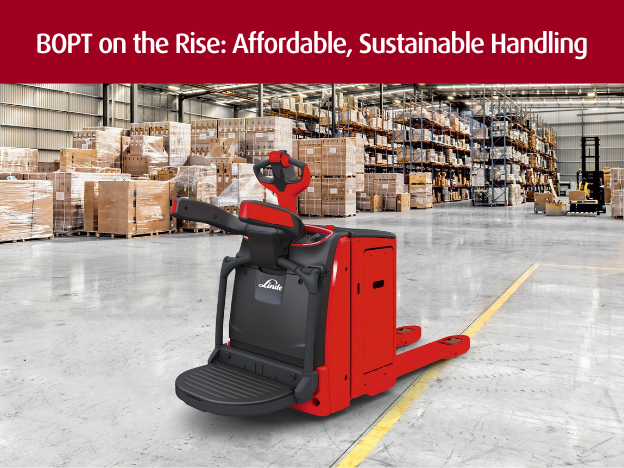
The Rise of Battery-Operated Pallet Trucks (BOPT): Cost-Effective and Sustainable Material Handling

The Rise of Battery-Operated Pallet Trucks (BOPT): Cost-Effective and Sustainable Material Handling

The material handling industry is undergoing a significant transformation, driven by the increasing demand for efficiency, sustainability, and cost-effectiveness. Among the most notable advancements in this sector is the rise of battery-operated pallet trucks (BOPT). These innovative machines are redefining how goods are transported within warehouses and distribution centers, offering a blend of operational efficiency and environmental responsibility.


Increased Productivity and Efficiency

One of the best things about battery-operated pallet trucks is their potential to enhance productivity. Unlike traditional guided pallet trucks that require physical exertion, BOPTs utilize electric powered automobiles to facilitate the motion of heavy loads. This design lets operators navigate through warehouses readily, extensively reducing the time required for loading and unloading duties. The ergonomic capabilities of these trucks also make contributions to quicker operations, as they limit operator fatigue, allowing workers to address greater materials in less time.

Moreover, BOPTs are designed for agility. Their compact size allows them to maneuver in tight spaces where larger equipment may struggle. This versatility not only streamlines material handling processes but also maximizes storage capacity within warehouses, leading to improved overall efficiency.


Improved Safety Standards

Safety is paramount in any business setting, and battery-operated pallet trucks excel in this regard. Equipped with superior protection capabilities along with computerized braking structures, anti-roll-returned mechanisms, and emergency forestall buttons, these trucks drastically lessen the risk of injuries. The absence of emissions associated with inner combustion engines enhance safety by creating a healthier environment for your personnel.

Furthermore, the intuitive controls of BOPTs require minimum training for your operators, making sure that safety protocols can be easily followed. This ease of use reduces the likelihood of operator blunders, further contributing to a more secure place of job.


Cost-Effectiveness Over Time

While the initial investment in battery-operated pallet vehicles may seem slightly higher than that of manual alternatives, they prove to be more budget friendly in the long run. The reduced maintenance requirements related to electric powered pallet trucks because of fewer moving components translate into lower operational fees. Businesses benefit from reduced downtime and lower repair prices compared to standard hydraulic or diesel-powered equipment.

Additionally, BOPTs enhance labor efficiency by allowing operators to handle larger volumes of goods with less manpower. This reduction in labor costs can lead to substantial savings over time, making battery-operated pallet trucks a wise investment for companies looking to optimize their material handling processes.


Environmental Sustainability

In an era where environmental consciousness is increasingly important, battery-operated pallet trucks stand out as eco-friendly alternatives. Operating on rechargeable batteries, these machines produce zero emissions during operation, significantly reducing the carbon footprint associated with material handling activities. This shift towards electric power aligns with global sustainability goals and appeals to businesses seeking to enhance their corporate social responsibility profiles.

Moreover, many modern BOPTs are designed with energy-efficient features that extend battery life and minimize the need for frequent recharging. This not only lowers electricity costs but also contributes to a greener warehouse environment by reducing energy consumption.


Versatility Across Industries

Battery-operated pallet trucks are versatile tools suitable for various industries including manufacturing, logistics, retail, and more. Their ability to handle different pallet sizes and weights makes them adaptable for diverse material handling applications. Whether navigating narrow aisles or transporting goods over long distances, BOPTs provide the flexibility needed to meet the demands of modern supply chains.

In addition to their adaptability in different environments, these trucks operate quietly compared to traditional forklifts. This feature makes them particularly suitable for settings where noise reduction is essential—such as retail spaces or areas adjacent to office environments—further enhancing their appeal.


Challenges and Considerations

Despite their numerous advantages, there are challenges associated with implementing battery-operated pallet trucks. The initial purchase cost can be a barrier for some businesses; however, many find that the long-term savings justify this expense. Additionally, effective management of battery charging cycles is crucial to avoid operational downtime. Establishing efficient charging schedules and investing in adequate charging infrastructure can mitigate these concerns.

Training remains an essential consideration as well; while BOPTs are user-friendly, proper training ensures safe and efficient operation. Companies should implement training programs tailored to familiarize operators with equipment usage and safety protocols.


Conclusion

The rise of battery-operated pallet trucks marks a significant advancement in material handling technology. With benefits such as increased productivity and efficiency, improved safety standards, cost-effectiveness over time, environmental sustainability, and versatility across various industries, BOPTs are revolutionizing how businesses approach logistics.

At Linde Material Handling, we pride ourselves on offering high-quality battery-operated pallet trucks designed for optimal performance in diverse operational environments. Our commitment to innovation and excellence ensures that our equipment meets the evolving needs of our clients while maximizing efficiency and minimizing costs. Get in touch with us today at https://www.lindemhe.com and experience the difference our world-class equipment can make for your business.

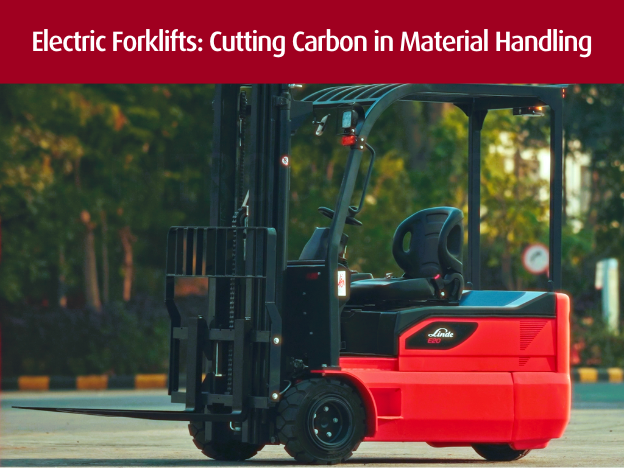
Embracing Sustainability in Material Handling: How Electric Forklifts Reduce Your Carbon Footprint

Embracing Sustainability in Material Handling: How Electric Forklifts Reduce Your Carbon Footprint

Did you know that switching to electric forklifts can save businesses up to five tonnes of carbon emissions annually for each vehicle? 

The material handling sector is undergoing a transformational change with the adoption of electrical forklifts. Sustainability has emerged as a crucial focus for businesses striving to reduce their environmental effect in today’s rapidly evolving market. These vehicles not only enhance operational performance but additionally play a significant function in lowering carbon emissions and fostering a greener future. 


The Environmental Impact of Traditional Forklifts

Traditional forklifts powered by internal combustion engines have long been the spine of material handling operations. However, they commonly contribute to air pollutants and greenhouse gas emissions. With growing regulatory pressures and societal expectations for cleaner operations, many companies are now reconsidering their reliance on fossil fuel powered machines.


Electric Forklifts: A Sustainable Alternative

Electric forklifts present a compelling option to their ICE counterparts. By operating solely on electricity, they produce 0 tailpipe emissions, significantly reducing the carbon footprint related to material handling activities. This shift not only contributes to better indoor air but also aligns with global efforts to fight climate change issues.

The transition to electric forklifts can result in significant reductions in greenhouse gas emissions. As stated at the start of the blog, changing to electric powered forklifts can reduce up to 5 tonnes of carbon emissions yearly for every car in operation. This reduction is essential for organisations seeking to make their sustainability profiles better while complying with increasingly stringent environmental rules.

Energy Efficiency and Cost Savings

Electric forklifts are inherently more power-efficient than conventional models. They convert a higher percentage of input energy into usable work, which in turn lead to lower energy intake and operational expenses. Recent advancements in the battery technology, along with lithium-ion batteries, have in addition advanced the efficiency and lifespan of these automobiles. As a result, businesses can reduce power bills and longer operational hours without frequent recharging.


Noise Reduction Benefits

In addition to their environmental advantages, electric forklifts operate much more quietly than traditional models. This noise reduction not only creates a more pleasant working environment for employees but also minimizes noise pollution in surrounding communities. As businesses become increasingly aware of their social responsibilities, adopting quieter electric forklifts can enhance corporate image while promoting employee well-being.


Integration with Renewable Energy Sources

The sustainability benefits of electric forklifts are further amplified when paired with renewable energy sources. Companies can power their electric fleets using solar, wind, or hydroelectric power, significantly reducing reliance on non-renewable fossil fuels. This integration not only decreases operational costs but also enhances the overall environmental sustainability of material handling operations.

By investing in renewable energy solutions alongside electric forklifts, businesses can create a closed-loop system that maximizes efficiency while minimizing environmental impact. This holistic approach aligns with global sustainability goals and positions companies as leaders in responsible business practices.


Lifecycle Sustainability

The lifecycle impact of electric forklifts is another critical factor contributing to their sustainability credentials. Unlike traditional vehicles that generate waste from oil changes and other maintenance activities, electric forklifts minimize waste generation significantly. The batteries used in these vehicles are recyclable; more than 98% of battery lead is recycled, ensuring that valuable materials are reused rather than discarded.

Furthermore, the reduced need for consumables such as oil filters and coolant fluids leads to less waste generation overall. This aspect of life cycle sustainability is becoming increasingly important as businesses strive to adopt circular economy principles within their operations.


Conclusion

Embracing sustainability in material handling through the adoption of electric forklifts represents a significant step forward for businesses aiming to reduce their carbon footprint. With zero emissions at the point of use, enhanced energy efficiency, lower operational costs, noise reduction benefits, and lifecycle sustainability advantages, electric forklifts offer a compelling case for companies looking to align their operations with environmentally responsible practices.

At Linde Material Handling India, we are committed to providing high-quality electric forklifts designed for optimal performance while minimizing environmental impact. Our advanced technology ensures that your business not only meets its sustainability goals but also enhances productivity and cost-effectiveness. 

Contact Linde Material Handling at https://www.lindemhe.com for all your material handling needs and experience the difference our world-class equipment can make for your business as we drive towards a sustainable future together.

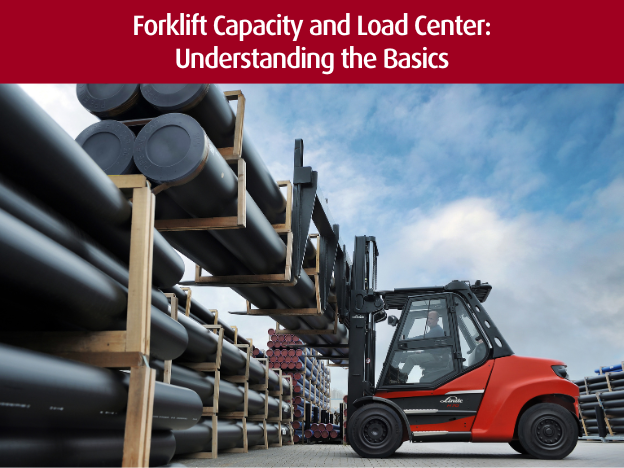
Forklift Capacity and Load Center: Understanding the Basics

Forklift Capacity and Load Center: Understanding the Basics

In the bustling world of material handling, forklifts are the unsung heroes, tirelessly lifting and moving heavy loads with precision. However, to ensure everything runs smoothly and safely, it’s essential to grasp two key concepts: forklift capacity and load center. As a leader in forklift manufacturing, Linde Material Handling is here to guide you through these important factors to help you choose and operate the right equipment for your needs.

Forklift Capacity: The Foundation of Safe Lifting

Forklift capacity is all about understanding how much weight your forklift can safely lift and move. This capacity depends on the forklift’s design, including its counterweight, mast structure, and hydraulic system. Linde Material Handling offers a variety of forklifts with different capacities to fit various industrial needs:

  1. Electric Forklifts: Linde’s electric forklift trucks range from 1,000 to 8,000 kg in capacity. They’re designed for precision and agility, making them perfect for indoor operations where advanced technology is a must.
  2. Diesel Forklifts: Known for their strength and efficiency, Linde’s diesel forklift trucks are built to handle heavy loads outdoors, providing top-notch productivity for tough tasks.

It’s important to remember that a forklift’s rated capacity isn’t set in stone—it can change based on factors like the load center, lift height, and any attachments you’re using.

Load Center: The Key to Balanced Operations

The load center is essentially the distance from the face of the forks to the load’s center of gravity. This concept is crucial because it affects both the stability and lifting capacity of the forklift. Most forklifts are rated with a standard load center of 500 mm.

Understanding the load center is vital for several reasons:

  1. Safety: If you exceed the rated load center, there’s a risk of tipping forward, which could lead to accidents.
  2. Efficiency: Knowing your load center helps you use your forklift to its full potential without compromising safety.
  3. Equipment Selection: Understanding your typical load centers aids in choosing the right forklift model for your specific tasks.

The Relationship Between Capacity and Load Center

As the load center increases (meaning the center of gravity moves further from the forks), the effective capacity of the forklift decreases. This relationship is usually detailed on a forklift’s load capacity chart—something every operator should be familiar with.

For instance, a Linde electric forklift rated for 3,000 kg at a 600 mm load center might only safely lift 2,500 kg if that load center increases to 700 mm. This decrease in capacity ensures that the forklift remains stable and safe during operation.

Practical Tips for Forklift Operations

  1. Load Assessment: Always check the weight and dimensions of loads before lifting. Linde forklifts often come with load weight indicators to help operators make informed decisions.
  2. Capacity Plates: Get familiar with your Linde forklift’s capacity plate—it provides crucial information about load capacities at different mast heights and load centers.
  3. Attachments: Keep in mind that using attachments like sideshifters or clamps can affect both capacity and load center calculations.
  4. Operator Training: Make sure all operators are well-trained in understanding these concepts. Linde Material Handling offers comprehensive training programs to promote safe and efficient operations.
  5. Regular Maintenance: Keep your forklift in top shape with regular maintenance. Linde’s extensive service network across India ensures your equipment stays in peak condition.

Leveraging Linde’s Expertise

With over a century of experience in material handling, Linde Material Handling offers more than just equipment—we provide expertise in creating balanced solutions that prioritize performance and safety.

When selecting a forklift, consider Linde’s diverse portfolio of over 100 products, each crafted with precision to meet specific industry needs. Whether you need a robust diesel forklift for outdoor heavy lifting or an agile electric model for indoor use, Linde’s German engineering heritage guarantees quality and innovation.

Choosing the Right Forklift for Your Needs

When it comes time to choose a forklift, keep these factors in mind:

  1. Load Capacity: Know the maximum weight you need to lift regularly. Linde offers options ranging from standard 3 ton forklifts to heavy duty forklifts for more demanding jobs.
  2. Operating Environment: Decide whether an electric forklift is best for indoor use or if a diesel forklift truck is more suited for outdoor operations.
  3. Lift Height: Consider how high you need to lift materials within your storage system.
  4. Maneuverability: Think about your facility layout and whether you need tight turning capabilities.
  5. Energy Efficiency: Evaluate long-term operational costs, including fuel or battery consumption.
  6. Safety Features: Look for advanced safety systems like the Linde Safety Pilot, which gives real-time feedback on stability and load status.

To enhance material handling processes for companies seeking efficiency improvements, Linde provides solutions that seamlessly integrate with systems. These offerings encompass a range of equipment options such as forklifts as well as specialized machinery, like reach trucks and stackers to facilitate cohesive operation across all facets of your business activities. 

Being one of the best and most trusted forklift producers in India, Linde Material Handling is well aware of the challenges that businesses in various industries encounter. Our dedication to introducing innovation and technology guarantees that our machinery doesn’t just address needs but also adjusts to upcoming technological advancements and industry norms. 

Ultimately comprehending the functioning of forklifts goes beyond being aware of their specifications—it involves viewing them as collaborators, in your everyday activities. By gaining knowledge and insights in concepts such as capacity and load center through support of industry experts like Linde Material Handling, you’re preparing not only for your current needs but also addressing potential obstacles. 

Trusting in Linde means investing in equipment that supports your goals while keeping safety at its core is a win-win for any business striving for excellence in material handling! Contact us at 1800 270 1123 or visit the company’s website www.lindemhe.com for more information on solutions we offer that are tailored towards your material handling needs.

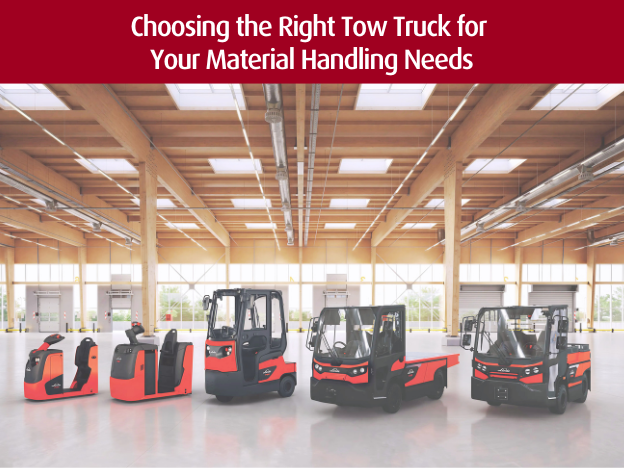
Choosing the Right Tow Truck for Your Material Handling Needs

Choosing the Right Tow Truck for Your Material Handling Needs

In the fast-paced world of warehouses and distribution centers, having the right equipment can make or break your operation.  It’s no brainer that efficient material handling equipment is essential in today’s paced setting to ensure productivity and operational efficiency of a company remains high. Tow trucks, also referred to as tow tractors or platform trucks are crucial for moving goods through warehouses and distribution centers that have challenging layouts. Linde Material Handling leads globally in providing a variety of tow truck options tailored to meet requirements. 

When choosing the towing vehicle, it is crucial to take into account factors to guarantee top notch efficiency and safety. First and foremost, assess your specific requirements, including the type and weight of loads to be transported, the distances to be covered, and the layout of your facility. Let’s understand some of the most important factors that will help you choose the right tow truck as per your requirements.

Load Capacity: Linde’s tow trucks are engineered to handle a wide range of load capacities. Determine the maximum weight you need to transport to select a model that can safely and efficiently handle your loads. 

Maneuverability: One of the key advantages of Linde’s tow trucks is their precise steering capabilities. For facilities with narrow aisles or tight corners, opt for models with enhanced maneuverability to ensure smooth operations in confined spaces.

Operator Comfort: Linde prioritizes ergonomics in their tow truck designs. Look for features such as adjustable seats, intuitive controls, and vibration-dampening systems to reduce operator fatigue and enhance productivity during long shifts.

Safety Features: Linde offers a range of tow trucks equipped with multiple braking systems to ensure safety in various operational scenarios. Consider additional safety features such as speed limiters, load sensors, and emergency stop buttons to further enhance workplace safety.

Energy Efficiency: Depending on your operational needs, choose between electric and diesel-powered models. Electric forklift trucks are ideal for indoor use, offering zero emissions and lower noise levels.

Customization Options: Linde offers a diverse portfolio of over 100 products, allowing for customization to meet specific industry requirements. Consider options such as different attachment types, specialized tires for various surfaces, or climate-controlled cabins for extreme environments.

Maintenance and Support: With a wide distribution and service network comprising 135+ touchpoints across India, Linde ensures reliable after-sales support. Factor in the availability of maintenance services and spare parts when making your decision.

Technology Integration: Modern tow trucks often come with advanced features such as fleet management systems, telematics, and digital displays. Evaluate these options based on your need for data-driven insights and operational efficiency.

When exploring the material handling options in India, it is crucial to consider the overall cost of ownership as a key factor to weigh in your decision making process. Although the initial buying price holds significance, it’s equally important to factor in elements like fuel efficiency, maintenance expenses and productivity improvements. Linde’s range of tow trucks are designed with a focus on delivering value throughout their lifespan positioning them as one of the best choices for the companies regardless of their size and scale. 

Why should you consider Linde Material Handling?

Linde Material Handling is recognized as a forklift maker with an expertise in the distinctive challenges that businesses come across related to material handling and warehouses. Their towing vehicles are custom built to cater to the demands of organisations while considering aspects like weather conditions and infrastructure, alongside operational needs. 

To streamline material handling operations, Linde’s tow trucks can easily blend in with equipment, like electric forklift pallet trucks reach truck forklifts and material handling stackers. By taking this approach to material handling it guarantees that all facets of your operations harmoniously cooperate, boosting productivity and reducing downtime effectively. 

In the changing landscape of industrial material handling advancements​ Linde stands out as a leader in innovation​ Their tow trucks are equipped with cutting edge technologies aimed at enhancing safety​ efficiency​ and operators well being. For example, some models feature advanced telematics systems that provide real-time data on vehicle performance, allowing managers to make informed decisions about fleet utilization and maintenance schedules.

Linde also provides a selection of owned vehicles for businesses to explore. The trucks go through inspections and refurbishment procedures to meet Linde’s criteria for excellence and functionality. This alternative presents an opportunity for companies to acquire top notch equipment at an accessible price range. 

Conclusion

Selecting the right tow truck for your material handling needs requires evaluating key factors such as weight capacity, maneuverability, energy efficiency, safety, and sustainability. A reliable tow truck should not only ensure seamless operations but also prioritize operator safety and environmental responsibility. With Linde Material Handling’s expertise, you can choose a tow truck that meets your current demands while offering advanced safety features and eco-friendly solutions to adapt to future challenges.

Make sure to choose an efficient  tow truck as it plays a crucial role in boosting the efficiency and safety of your operations while ensuring long term success for your business endeavors.

With Linde’s commitment to innovation and excellence, you can be confident that you’re getting world-class equipment designed to enhance your material handling capabilities and drive your business forward. Contact us at 1800 270 1123 or visit the website www.lindemhe.com for more information on solutions Linde offers that are tailored towards your material handling needs.

Renting OR Buying? What Suits Your MHE Requirement?

In the world of material handling equipment (MHE), deciding between renting or buying machinery is a pivotal choice that can impact both operational efficiency as well as financial outcomes. This decision isn’t one solution that fits all. The best choice largely depends on your company’s specific needs, budget, and long-term objectives. Let’s break down the pros and cons of each approach to help you determine what suits your MHE requirements better.

The Benefits of Renting Material Handling Equipment

Renting material handling equipment like forklifts and stackers has become a popular choice for businesses with fluctuating needs. Renting allows companies to access the latest models without the commitment of ownership, offering flexibility and operational cost management that many find invaluable.

1. Flexibility in Equipment Usage

One of the biggest advantages of renting is the flexibility it provides. If your business experiences seasonal peaks, renting a material handling forklift allows you to scale up or down without significant upfront investment. You can acquire specific equipment, like Linde electric forklift, for a minimum rental period of one year, allowing you to adjust your fleet based on operational demands.

2. Reduced Maintenance Costs

When you rent, the maintenance and repair of the equipment are often covered by the rental provider. This means that you avoid unexpected repair costs, and you can ensure equipment reliability without added expenses. For instance, if you rent a Linde forklift, maintenance support from the provider means that you benefit from regular upkeep by professionals who specialize in forklift material handling.

3. Access to the Latest Technology

Rental companies continually upgrade their fleets, ensuring you have access to cutting-edge models. Renting enables businesses to try the latest electric forklift trucks without making long-term financial commitments. This can be particularly beneficial if your team is interested in trying eco-friendly options like Linde’s electric forklifts but isn’t ready to commit to a purchase.

4. Financial Savings and Reduced Capital Expenditure

For companies looking to conserve capital, renting is an attractive alternative. Since renting doesn’t involve high upfront costs, businesses can allocate capital to other projects. Rentals are often accounted for as operational expenses rather than capital expenses, freeing up cash flow.

The Case for Buying Material Handling Equipment

Owning your equipment can be advantageous for companies with steady operational needs and longer project timelines. While it requires a greater initial outlay, buying may provide a better return on investment over time. Here’s why buying could be the right option for your MHE requirements.

1. Long-Term Cost Savings

If your equipment will be used frequently over an extended period, buying can be more economical. The cost of renting material handling equipment adds up over time, whereas buying allows you to spread out expenses, achieving cost savings in the long run. A purchased diesel forklift can provide years of service, making it ideal for businesses with stable and predictable workload for your business.

2. Complete Control Over Your Fleet

Ownership offers a great amount of control. When you buy a diesel forklift truck or electric forklift pallet truck, you determine the maintenance schedule and can make modifications to suit your specific requirements. This level of control is beneficial for companies with unique needs that require customizations or specific operational setups.

3. Residual Value

Owning equipment also offers the advantage of residual value. When the equipment has reached the end of its life cycle for your operations, you can sell it to recoup part of your initial investment. This allows businesses to maximize their asset utilization before transitioning to new machinery.

4. Tax Benefits and Asset Ownership

In some cases, purchasing equipment can offer tax benefits through depreciation deductions, allowing businesses to recover some part of their investment over a period of time. Additionally, equipment ownership becomes an asset on your balance sheet, potentially improving your company’s financial position.

Comparing Renting vs. Buying: Which is Best for Your MHE Needs?

Choosing whether to rent or buy ultimately depends on factors like usage frequency, budget, and long-term planning. Here’s a quick comparison to help clarify which option may suit your needs best.

Consideration Renting Buying
Initial Investment Low High
Flexibility High  Low
Best suited for Short-term needs Long-term use
Maintenance Responsibility Rental provider Company-owned
Access to New Technology Immediate Depends on future investments
Long-Term Costs Higher in the long run Lower if usage is consistent
Tax Implications Operational expense Asset ownership and depreciation

Whether renting or buying, selecting a trusted provider ensures you get reliable, high-quality equipment. Linde Material Handling has a variety of solutions to site specific requirements by providing electric and diesel forklifts which are efficient and durable. Linde has a heritage of over a century of German engineered solutions providing MHE which promises productivity, safety and reliability.

In India, the range of Linde material handling equipment includes forklifts, stackers, reach trucks and pallet trucks which are available with both rental and purchase options. Linde adds advanced technology and ergonomic designs to customer support to meet and exceed your operational needs.

Conclusion

Choosing to rent or purchase the material handling equipment is a significant step that  influences in terms of productivity, cost as well as operational efficiency. Understanding your specific purpose of the equipment, weighing short term flexibility and long term savings, and  choosing a trusted provider are key to choose wisely and make the right decision.

For versatile, high-performance options, trust Linde Material Handling. Our range of forklifts and industrial trucks material handling equipment offer both rental and ownership plans to fit your business model. Connect with us today to learn more about our offerings and discover how Linde can help transform your operations.

When it comes to versatile, high-performing solutions, look no further than Linde Material Handling. We offer a complete range of forklifts and industrial trucks material handling equipment on both rental and ownership plans to suit your business model. 

So, be it renting or buying, Linde Material Handling guarantees you to provide efficiency, safety, and world class quality. Get in touch with us and witness the extraordinary operational excellence with Linde!

Contact us today at 1800 270 1123 or visit www.lindemhe.com to get more insight about renting vs buying MHE and let us help you with your business transformation through Linde.

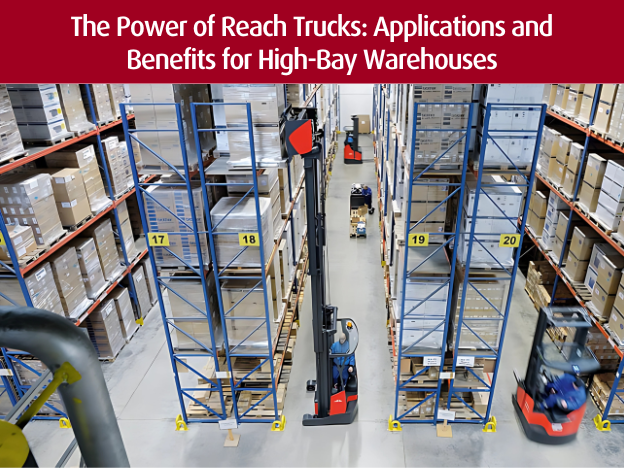
The Power of Reach Trucks: Applications and Benefits for High-Bay Warehouses

If you have a high-bay warehouse where vertical storage is very essential, maximizing space and efficiency is a top priority. Reach trucks have become indispensable tools in these situations, thanks to their unique ability to navigate narrow aisles and reach impressive heights safely and efficiently. Reach trucks are specifically designed for high-density storage facilities and play a crucial role in optimizing operations. Let’s explore the applications and benefits of reach truck in high-bay warehouses and why they are becoming a go-to choice for business owners who are looking to improve productivity and reduce costs.

What Makes Reach Trucks Ideal for High-Bay Warehouses?

High-bay warehouses rely on vertical storage to maximize space, but accessing these elevated racks requires specialized equipment. Reach trucks are designed with a long mast that can reach tall heights, making them perfect for facilities with high shelving units. Unlike standard material handling forklifts, reach trucks have extended reach capabilities, allowing operators to safely retrieve and store goods on elevated shelves without compromising stability.

Key Features of Reach Trucks

  1. Extended Reach and Lift Height
    Reach trucks can lift loads to heights that standard forklifts cannot, typically reaching up to 11 meters or more. This capability allows warehouse operators to utilize every inch of vertical space, increasing storage capacity without expanding the facility’s footprint.
  2. Compact Design for Narrow Aisles
    Reach trucks are crafted with a slim, compact design, making them ideal for maneuvering through narrow aisles. This advantage is particularly valuable in high-bay warehouses, where space is often limited. By using reach trucks, warehouses can reduce aisle width and create more room for storage.
  3. Tilted Mast and Load Stabilizers
    Reach trucks are equipped with tilting masts and load stabilizers, which ensure the safe and stable positioning of goods at high heights. This design reduces the risk of product damage and ensures that items are securely placed on the shelves.
  4. Ergonomic Features for Operator Comfort
    Many reach trucks, including those from Linde Material Handling, feature ergonomic designs that enhance operator comfort. Adjustable seats, clear sightlines, and intuitive controls reduce operator fatigue, increasing efficiency during long shifts.

Applications of Reach Trucks in High-Bay Warehouses

1. Inventory Management in Large Warehouses

Reach trucks are indispensable for inventory management in large warehouses with multi-tiered shelving systems. Their ability to lift goods to significant heights makes them suitable for tasks like stocking and retrieving inventory from high racks. With the increased storage density provided by reach trucks, high-bay warehouses can accommodate a broader range of products without sacrificing accessibility.

2. Order Fulfillment in Distribution Centers

In distribution centers that handle high volumes of goods, order fulfillment speed is critical. Reach trucks streamline this process by enabling operators to access products stored in high-bay racks efficiently. With advanced reach capabilities, operators can quickly locate and pick products, significantly reducing order processing times and boosting customer satisfaction.

3. Cold Storage and Food Warehousing

Reach trucks are also valuable in specialized storage facilities, such as cold storage and food warehousing, where floor space is limited and temperatures are controlled. These environments often use high racks to maximize storage, and reach trucks with specialized tires and sealed components can operate effectively in cold temperatures.

4. Automated Storage and Retrieval Systems (ASRS)

Many high-bay warehouses are integrating automated material handling systems to improve efficiency further. Reach trucks can be adapted to work alongside ASRS, performing tasks that require human oversight or handling unique goods. Combining reach trucks with automation enhances the overall speed and accuracy of warehouse operations.

Benefits of Using Reach Trucks in High-Bay Warehouses

1. Enhanced Space Utilization

By enabling the use of vertical storage, reach trucks allow warehouses to store more goods within the same space. This not only maximizes the storage capacity but also helps facilities avoid costly expansions. The compact build of reach trucks minimizes aisle width requirements, freeing up additional space for storage.

2. Increased Productivity

Reach trucks speed up material handling processes in high-bay warehouses, improving productivity. With their extended reach and lift capabilities, operators can access items faster, ensuring a smooth and efficient workflow. The improved productivity directly impacts the bottom line, as companies can handle higher volumes in less time.

3. Reduced Operational Costs

Reach trucks are designed for long-lasting, cost-effective operation, reducing the need for frequent maintenance. Additionally, electric reach truck forklifts, such as those from Linde Material Handling, offer energy-efficient solutions, cutting down fuel costs associated with diesel forklifts. The minimal maintenance requirements and reduced operational costs make reach trucks a wise investment for warehouses aiming for long-term efficiency.

4. Safety and Stability at High Heights

Operating at high elevations poses safety risks, but reach trucks are equipped with safety features to protect both the operator and the goods. Features such as load stabilizers, clear-view masts, and tilt functions minimize the risk of accidents and ensure the stability of loads, even at considerable heights.

5. Positive Impact to the Ecosystem

With increasing environmental awareness, most of the businesses in the world today are prioritizing sustainability, and hence using electric reach trucks for it being an eco friendly equipment. Since electric reach trucks do not produce direct emissions, they are environment friendly, and align well with the eco-friendly initiatives in the industry.

Conclusion

Linde Material Handling is a well known name with a legacy of excellence in the material handling industry offering reliable, high-performance solutions tailored for modern warehousing needs. Linde’s reach trucks are designed to maximize efficiency, comfort, and safety for the operator. Linde’s range of material handling offerings are equipped with German engineering and advanced technology to improve the efficiency of warehouse operations. Linde Material Handling offers a variety of solutions with a comprehensive service support network. Whether you need diesel or electric reach trucks or advanced material handling equipment, Linde’s expertise and commitment to quality are unmatched.

For any high-bay warehouse looking to streamline operations, cut down expenses and make safety enhancements, reach trucks are a valuable asset. With Linde’s extensive portfolio of material handling equipment and the industry-leading reach trucks, you can take your warehouse to the next level and achieve your productivity goals.

Call us at 1800 270 1123 or visit www.lindemhe.com to find out more about how we can help in transforming your warehouse operations.

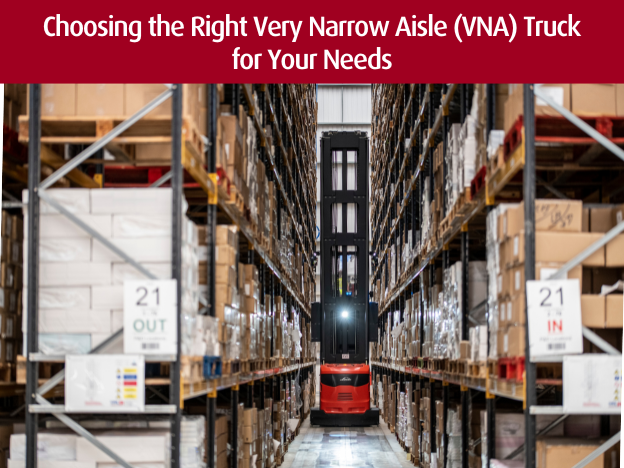
Choosing the Right Very Narrow Aisle (VNA) Truck for Your Needs

In today’s fast-paced logistics and warehousing environment, space optimization is critical. Warehouses are increasingly adopting Very Narrow Aisle (VNA) trucks to improve storage density, efficiency, and productivity. However, choosing the right VNA truck requires careful evaluation to ensure it aligns with your operational needs. In this blog, we’ll explore the key factors to consider when selecting a VNA truck and introduce Linde Material Handling’s VNA solutions designed for exceptional performance.

What are VNA Trucks?

VNA trucks are a class of material handling vehicles which are designed to operate in very narrow aisles normally around 1.6 to 2 meters wide. These trucks are extremely helpful to organizations as they allow full optimization of storage space both vertically and horizontally by operating efficiently in tight spaces, which would be inaccessible to standard forklifts.

Linde Material Handling has Man Up and Man Down VNA trucks with weights lifting capacities of about 1.5 tons providing guaranteed performance and safety for heavy warehousing operations. These types of trucks let the companies add to the inventory capacity without increasing their warehousing space.

Key Considerations for Choosing the Right VNA Truck

1. Understanding Warehouse Layout

The layout of your warehouse plays a pivotal role in determining the most suitable type of VNA truck. Some essential layout-related questions include:

  • How narrow are your aisles?
  • What is the maximum height of your racks?
  • Is there enough space for the vehicles to operate without being a safety hazard?

If tall racks are present in your warehouse, the Man-Up VNA truck (where the operator is raised with the load) may be the most appropriate option. If warehouse heights are not excessively high, then most likely the Man Down VNA truck which holds the operator at the ground operating loads above height is the appropriate.

2. Lifting Capacity and Reach Requirements

Every operation requires trucks with specific lifting capacities and heights. Linde’s Man Up VNA trucks offer a 1.5-ton capacity, while Man Down VNA trucks can lift up to 1.35 tons, making them suitable for a variety of tasks. Evaluating your warehouse’s load size and weight is essential to determine which model fits your needs.

Additionally, consider the maximum reach height needed in your facility. Some warehouses may require trucks that can reach up to 15 meters or more. With Linde’s VNA trucks, you can achieve impressive height while maintaining safety and stability.

3. Operator Safety and Comfort

Safety and operator comfort are critical factors in a busy warehouse. VNA trucks from Linde Material Handling come equipped with ergonomic cabins, ensuring operator comfort during long shifts. The Man Up models provide a secure cabin that moves with the load, offering better visibility and reducing operator strain.

Linde also offers optional safety features such as obstacle detection, collision prevention systems, and automatic braking, enhancing the safety of both operators and goods in narrow aisles.

4. Battery Efficiency and Power Requirements

Efficient energy management is crucial for continuous operations. Linde’s VNA trucks are designed to maximize uptime with energy-efficient power systems. For extended shifts, you may want to explore battery options that offer longer run times or quick-change solutions to minimize downtime.

Choosing the right battery option ensures your trucks remain operational throughout the day, leading to improved productivity and lower operating costs.

5. Ease of Maintenance and After-Sales Support

Downtime can disrupt warehouse operations, so choosing equipment with easy maintenance is essential. Linde Material Handling ensures minimal downtime with robust engineering and cost-effective maintenance plans. Additionally, our after-sales support network of 125+ service points across India ensures timely assistance whenever needed.

Opting for Linde’s VNA trucks guarantees not only high performance but also reliable service to keep your equipment in peak condition.

6. New vs. Used or Leased Equipment

Depending on your budget and operational requirements, you may consider purchasing a new, used, or leased VNA truck. Linde offers flexible options, including hire and hire-purchase agreements, to cater to different business needs. This flexibility ensures that you can access premium equipment without overextending your budget.

Our team will work with you to find the most suitable ownership or leasing model based on your company’s financial goals and operational timelines.

Why Choose Linde’s VNA Trucks?

At Linde Material Handling, we understand the critical role that the right equipment plays in optimizing your material flow. Our VNA trucks are designed with precision and care, offering a perfect blend of performance, safety, and reliability. With lifting capacities of up to 1.5 tons, our trucks are well-suited for demanding operations where space is at a premium.

Key Features of Linde VNA Trucks:

  • Man Up VNA trucks: Ideal for operations that require the operator to be elevated with the load, offering better control and visibility at height.
  • Man Down VNA trucks: Suitable for ground-level operations with advanced load-handling capabilities at elevated heights.
  • Advanced safety features: Collision prevention systems and ergonomic cabins for operator comfort and protection.
  • Energy-efficient operation: Reduces operational costs and minimizes environmental impact.
  • Comprehensive after-sales support: Backed by a wide service network across India for seamless maintenance.

Conclusion

Choosing the right VNA truck can significantly impact the efficiency and productivity within warehouse operations. By taking into account the variables as warehouse’s design, horizontal or vertical reach, security features, battery life or even operational support for the truck, it can be assured that the truck you select meets your specific needs.

Linde Material Handling offers a range of VNA trucks tailored to various industries, ensuring smooth and efficient operations even in the most demanding environments. Whether you opt for the Man Up or Man Down models, our trucks provide reliability, safety, and high throughput—everything you need to enhance your warehouse operations.

Experience the future of material handling with Linde’s range of VNA trucks. Optimize your storage space, improve operator efficiency, and reduce operating costs with our innovative solutions.

Call us at 1800 270 1123 or visit www.lindemhe.com to find out more about how we can help you transform your warehouse operations.

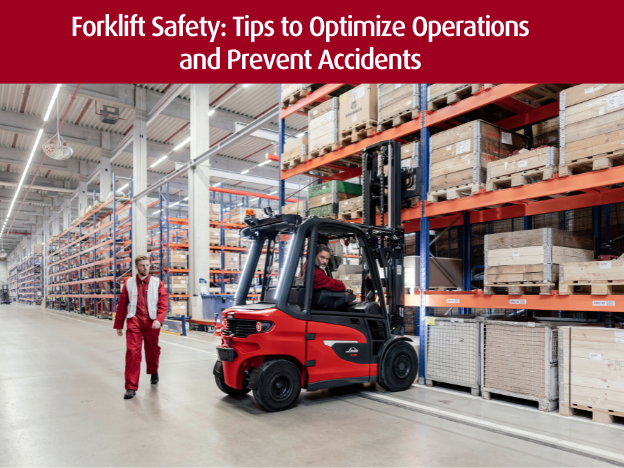
Safety First: Essential Tips for Optimizing Forklift Operation and Minimizing Warehouse Accidents

Operating forklifts in warehouses is a critical task that requires a fine balance between efficiency and safety. Forklift-related accidents can result in severe injuries, property damage, and significant downtime. Hence, promoting a safety-first culture is essential to minimizing risks and ensuring smooth operations. In this blog, we explore key tips to optimize forklift operations while keeping safety at the forefront.

1. Conduct Routine Equipment Inspections

Performing regular inspections ensures forklifts remain in optimal working condition, reducing unexpected breakdowns and operational hazards. Operators should inspect the following elements before every shift:

  • Brakes and tires – to ensure safe navigation and grip.
  • Mast and forks – to check for wear or misalignment.
  • Hydraulic systems – to prevent fluid leaks.

With Linde’s diesel, electric, and warehouse equipment, downtime is minimized through efficient design, and regular maintenance ensures lasting performance.

2. Optimize Load Handling and Stability

Improperly handled loads can cause tipping accidents, damaging goods and endangering personnel. Operators must:

  • Always center and balance the load on the forks.
  • Avoid overloading beyond the forklift’s capacity.
  • Tilt the mast slightly backward to secure the load while in transit.

Linde forklifts come with enhanced stability systems to help operators manage heavy loads effortlessly, making load handling both efficient and secure.

3. Prioritize Forklift Speed and Operational Limits

Forklifts should not be operated at excessive speeds, especially in areas with high pedestrian traffic. Establish speed limits for different zones, such as aisles and loading docks, and enforce these policies strictly.

Linde’s forklifts are designed to operate with quiet precision, minimizing distractions and supporting safe speed management in busy warehouses.

Maintain Focus on the Forklift Operation Speed and the Possible Limits of Their Use

In no circumstances should pumps be pushed since they can put up speeds that are not safe, especially in places where a great many pedestrians are present. Define a limit for the various zone, which includes aisles and loading docks and implement these policies.

Linde’ forklifts are based on ergonomic functionality and designed to operate discretely thereby reducing distractions and improving speed management in busier warehouses.

4. Use Safety Accessories and Protective Gear

Operators must wear personal protective equipment (PPE), such as high-visibility vests, hard hats, and safety shoes. Additionally, forklifts can be equipped with accessories to further improve safety:

  • Seat belts to prevent operators from being thrown from the seat during abrupt stops.
  • Flashing lights and alarms to alert pedestrians and other drivers.
  • Cameras and sensors to enhance visibility and navigation.

Linde forklifts come with ergonomic operator cabins and advanced safety features, creating a comfortable and secure working environment.

5. Implement Technology for Enhanced Safety

The rise of automation and smart technologies is transforming forklift operations. Using technology-driven solutions like telematics, sensors, and fleet management systems can boost safety and productivity.

  • Telematics systems monitor forklift usage and detect risky behavior.
  • Sensors and cameras provide 360-degree visibility in narrow spaces.
  • Fleet management software helps optimize forklift deployment and ensures preventive maintenance.

At Linde Material Handling, we are at the forefront of integrating smart technologies into our equipment, offering our customers enhanced safety and operational insights.

6. Ensure Operator Training and Certification

Forklift operators must undergo comprehensive training and receive proper certifications before handling equipment. Skilled and knowledgeable operators are better equipped to follow safe operating procedures, reducing the likelihood of accidents.

  • Training should cover aspects like load handling, speed limits, navigation in tight spaces, and emergency protocols.
  • Continuous refresher courses ensure that operators stay updated with the latest safety practices.

At Linde Material Handling, we emphasize the importance of training programs for operators and offer forklifts with user-friendly controls, enhancing operator confidence and performance.

7. Define Clear Warehouse Routes and Traffic Rules

Creating well-marked pathways and traffic regulations prevents collisions between forklifts and other equipment or personnel. Warehouses should have:

  • Dedicated pedestrian walkways marked with visual indicators.
  • Traffic signals and mirrors at blind spots to improve visibility.
  • Speed limits for different areas based on the layout and operational needs.

Linde’s electric forklifts are equipped with precision handling and advanced stability features, ensuring safe operation even in crowded environments.

8. Regularly Maintain Warehouse Floors and Surroundings

Slippery or uneven floors increase the risk of accidents. Warehouse managers should ensure:

  • Floors are kept clean and free of obstructions.
  • Spills and debris are removed immediately to prevent slips.
  • Ramps and loading docks are in good condition to support smooth forklift operation.

With Linde forklifts, even challenging environments are manageable, thanks to their robust design and smooth maneuverability under tough conditions.

9. Promote a Safety-First Culture

It takes everyone from the operator, to manager, and every staff member to put that safety culture on the forefront to promote a safety first culture. Regular safety meetings, feedback sessions, and incentive programs for safe behavior can foster a collaborative safety environment.

Conclusion:

To make operations smooth, warehouse safety is a necessary element, and accident prevention on the course of forklift usage is one of the critical aspects. By following good safety practices including adequate training, maintaining the equipment in good working order, regulating vehicle speeds,  and leveraging the latest technologies, businesses can create safer workplaces and improve productivity.

At Linde Material Handling, safety is not a mere ‘add on,’ it is embedded in everything we build. From diesel and electric forklifts to warehouse equipment, Linde’s products offer unmatched performance, precision, and safety. No matter what your warehouse needs are, if you are looking for good quality forklifts, our equipment ensures smooth, reliable operations under the most demanding conditions.

With over a century of German engineering excellence, Linde provides customized material handling solutions to meet the diverse needs of businesses across industries. Trust Linde forklifts to optimize your operations and minimize accidents. Contact us at 1800 270 1123 or check out www.lindemhe.com to know about our cutting edge solutions and how we can enhance the safety and efficiency of your warehouse operations.

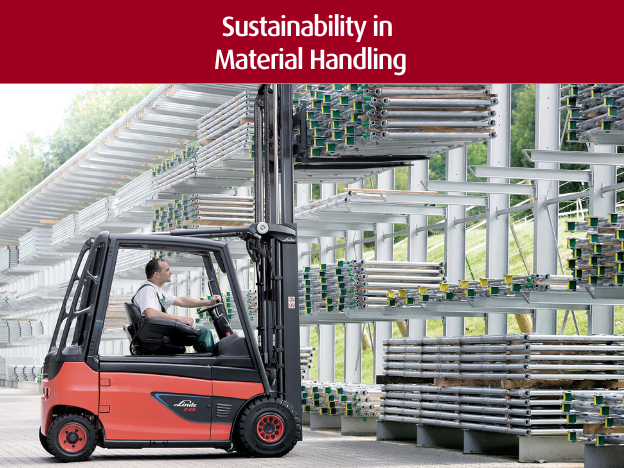
Sustainability in Material Handling: How to Reduce Your Environmental Footprint

As global industries continue to grapple with the urgent need to adopt environmentally responsible practices, material handling plays a crucial role in driving this shift. With the rise in global logistics operations and the increasing use of material handling equipment like forklifts, pallet jacks, and automated guided vehicles, sustainability in material handling has become a key priority for companies seeking to reduce their environmental footprint.

The Environmental Challenge in Material Handling

Material handling equipment contributes to environmental pollution through emissions of carbon dioxide (CO2) and other greenhouse gasses. Industry reports highlight that heavy machinery in logistics operations is a notable contributor to the carbon footprint within the supply chain. As awareness of climate change continues to grow, businesses are increasingly exploring opportunities to reduce their environmental impact, optimize energy efficiency, and adopt more sustainable practices across their operations.

The environmental footprint of material handling operations can be broken down into three main categories:

  1. Energy consumption: Material handling equipment often runs on non-renewable energy sources such as diesel and gasoline.
  2. Carbon emissions: Traditional forklifts and industrial trucks contribute to the release of CO2 and other pollutants.
  3. Waste generation: Industrial processes may result in excessive waste, from equipment wear and tear to inefficient operational practices.

Reducing Your Environmental Impact with Sustainable Material Handling

To address these environmental challenges, businesses can implement several strategies aimed at reducing energy consumption, emissions, and waste. These approaches not only help companies meet their sustainability goals but also enhance overall operational efficiency.

  1. Transition to Electric Forklifts and Equipment

One of the most significant steps towards sustainability in material handling is the shift from internal combustion (IC) forklifts to electric-powered equipment. Electric forklifts are powered by advanced battery technology, such as lithium-ion or lead-acid batteries, which are more energy-efficient and produce zero tailpipe emissions. This eliminates the need for fossil fuels and significantly reduces the carbon footprint of material handling operations.

At Linde Material Handling, we are proud to offer a range of electric forklifts and warehouse equipment, designed to meet the demands of modern logistics while ensuring minimal environmental impact. Our electric forklifts are equipped with powerful battery systems that provide extended operational hours, reducing downtime and increasing productivity.

  1. Optimize Energy Efficiency in Operations

Energy efficiency is a key component of reducing the environmental footprint of material handling equipment. Businesses can optimize energy consumption by implementing smart charging systems and energy management tools that monitor and regulate equipment usage. By ensuring that forklifts and other material handling equipment operate only when necessary and at optimal levels, companies can significantly reduce energy wastage.

Linde’s tailored energy solutions, including optimized battery systems and high-efficiency chargers, help businesses maximize the use of electric forklifts while minimizing energy consumption. These solutions are designed to enhance operational efficiency while lowering costs and reducing environmental impact.

  1. Invest in Automation and Fleet Management

Automation technologies are revolutionizing the material handling industry by increasing operational efficiency and reducing the reliance on manual labor. Automated guided vehicles (AGVs) and warehouse automation solutions can minimize energy usage by streamlining workflows and reducing idle time for equipment.

Linde’s advanced fleet management systems provide real-time data on equipment usage, energy consumption, and maintenance needs. By leveraging these insights, businesses can optimize their fleet operations, reduce energy waste, and extend the lifespan of their material handling equipment, contributing to long-term sustainability.

  1. Focus on Ergonomics and Safety

Sustainability is not only about reducing environmental impact but also improving the well-being of employees. Ergonomically designed material handling equipment reduces operator fatigue, lowers the risk of injuries, and enhances productivity. This not only benefits the workforce but also ensures that equipment operates more efficiently, further reducing energy consumption and emissions.

At Linde Material Handling, our forklifts and warehouse equipment are designed with operator safety and comfort in mind. Features such as intuitive controls, enhanced visibility, and ergonomic workspaces contribute to a safer and more efficient workplace, aligning with broader sustainability goals.

The Role of Recycling and Waste Reduction

Sustainability efforts in material handling should also address the reduction of waste. Recycling and refurbishing used equipment, as well as proper disposal of batteries and other components, can significantly reduce the environmental impact of material handling operations.

Conclusion

Sustainability in material handling is not just a trend—it is an essential component of responsible business operations in the 21st century. As a global leader in material handling solutions, Linde Material Handling is committed to helping businesses reduce their environmental footprint through innovative, energy-efficient, and eco-friendly technologies.

By transitioning to electric forklifts, adopting alternative energy solutions, optimizing energy efficiency, and embracing automation, businesses can make significant strides towards sustainability. At Linde, we believe that sustainable practices go hand in hand with operational excellence, ensuring that you not only meet your sustainability goals but also enhance productivity and cost-effectiveness.

Join us in driving a sustainable future in material handling. Contact us at 1800 270 1123 or visit www.lindemhe.com to learn more about how we can support your sustainability initiatives.